What’s the real difference between a credit line and a credit limit and why does it matter?
If you’ve ever applied for a loan or a credit card, you’ve probably come across both terms. While they’re often used interchangeably, they refer to two very different borrowing concepts. Misunderstanding the two could lead to confusion in managing your finances, repaying debt, or even improving your credit score. Knowing when and how to use each one could help you make smarter financial choices. Credit isn’t just about how much you borrow, it's about how smartly you use what’s available. Understanding credit line vs credit limit is essential if you want to maintain financial discipline, build your credit score, and use credit efficiently in your everyday life.
Let’s break it all down, starting with a quick roadmap.
Table of Contents
1. What is a Credit Line?
2. What is a Credit Limit?
3. Credit Line vs Credit Limit: What Sets Them Apart?
4. Why Knowing the Difference Matters for Your Financial Health
5. How to Use Credit Lines and Limits Effectively?
6. The Bigger Picture: Planning Credit with Purpose
7. When Should You Choose a Credit Line?
8. When is a Credit Card the Better Option?
9. Aligning Credit Tools with Financial Goals
10. Conclusion
11. Frequently Asked Questions
What is a Credit Line?

A credit line is a flexible borrowing facility that allows you to withdraw funds up to a sanctioned amount, but only as needed. It’s not a one-time disbursal like a personal loan. Instead, you can dip into it multiple times and repay as per your terms. You’re charged interest only on the amount you use, not the entire approved limit. Credit lines are commonly offered for personal use, small businesses, or in the form of overdraft protection linked to your bank account. According to industry data, 28% of Indian borrowers who prefer flexible repayments opt for credit lines over traditional loans. For instance, if you're approved for a ₹2,00,000 credit line and only use ₹50,000, you’ll only pay interest on that ₹50,000. It’s especially handy for managing cash flow, tackling emergency expenses, or handling unpredictable costs without the burden of a large EMI.
In India, digital lenders have made credit lines more accessible, and with instant approvals, many salaried professionals and freelancers are exploring them over traditional types of loans. But despite its benefits, this tool must be used wisely, as it still impacts your overall credit profile.
What is a Credit Limit?

A credit limit is the maximum amount a lender allows you to borrow on a revolving credit account, like a credit card. The amount you spend reduces your available limit, and it gets replenished as you repay. So if your credit card has a ₹1,00,000 limit and you spend ₹40,000, your available balance is ₹60,000 until you repay. The credit limit is typically based on factors such as your income, credit history, credit utilization, and repayment patterns. A higher limit not only gives you more spending power but also helps maintain a healthy credit utilization ratio ideally under 30%. Exceeding your credit limit or maxing out your card can lead to late payments, which hurt your credit score.
Credit limits are reset each billing cycle, making them ideal for everyday transactions and online purchases. However, unlike a credit line, which is used strategically and occasionally, credit cards are often used regularly, increasing the chances of overspending if not handled carefully. Understanding your credit limit and using it wisely plays a major role in building long-term creditworthiness.
Credit Line vs Credit Limit: What Sets Them Apart?
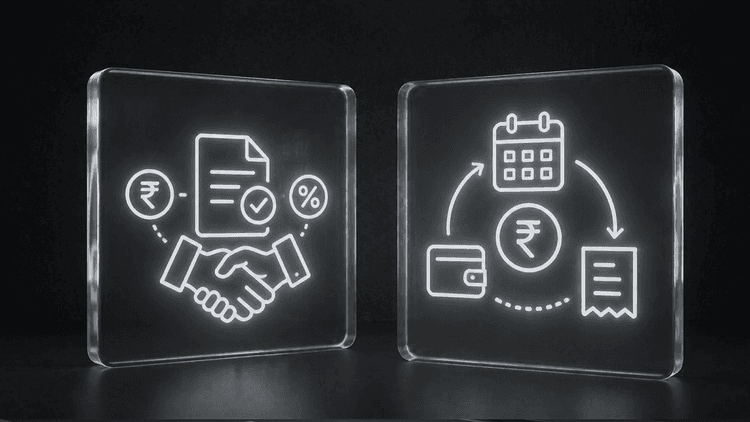
While both terms define borrowing capacity, they operate differently. A credit line offers flexibility to draw funds only when required, making it ideal for uncertain expenses. A credit limit is a fixed borrowing cap on a credit card or revolving credit facility, suitable for regular spending. The key difference lies in usage style and interest calculation. With a credit line, you only pay interest on what you use, whereas with credit cards, interest applies to any unpaid balance, often at rates between 30-42% per annum. That’s why those with larger expenses prefer credit lines, while credit cards serve short-term liquidity.
For example, let’s say you have a ₹1,00,000 credit line and use ₹20,000. You’ll only pay interest on ₹20,000. But if you have a ₹1,00,000 credit card limit and spend ₹70,000 without repaying in full, you’ll be charged hefty interest on the outstanding amount. Understanding this difference can help you avoid high-interest debt traps and choose the right product for your needs.
Why Knowing the Difference Matters for Your Financial Health?
Misunderstanding credit line vs credit limit can lead to poor financial decisions. For example, over-utilizing your credit card and going near your limit raises your credit utilization ratio, which significantly affects your credit score. On the other hand, credit lines offer breathing room but can still hurt your score if repayments are delayed. Credit lines are better for planned withdrawals and unpredictable expenses, while credit limits are more appropriate for fixed, recurring purchases. Responsible usage of both helps build a strong credit history. In fact, individuals with diverse credit types, credit cards,loans and credit lines are often seen as more creditworthy, as long as they manage them responsibly.
According to data from financial institutions, those who use less than 30% of their credit limit have credit scores over 750 on average. Meanwhile, borrowers who take only 60% of their credit line and repay consistently see a 12-18% improvement in their score within six months.
How to Use Credit Lines and Limits Effectively?
To make the most of your credit line, treat it as a backup, not a primary source of funds. Borrow only what you need and try to repay quickly. Avoid drawing the full amount unless absolutely necessary. For credit cards, stay below 30% usage of your credit limit. If your limit is ₹1,00,000, try not to spend more than ₹30,000 monthly, unless you can repay in full by the due date. Set auto-payment reminders, track spending, and avoid rolling over credit card balances, as interest rates are usually higher than personal loans.
If you find yourself struggling to manage either, consider credit counseling or using budgeting tools to regain control. Balancing both credit line and credit card usage effectively can create a strong, stable financial profile that unlocks better loan options.
The Bigger Picture: Planning Credit with Purpose
When used smartly, both credit lines and credit limits can work in your favor. The key is not just access to credit, but how responsibly you use it. Whether you're planning to apply for a personal loan, finance a big purchase, or build credit history, the right credit tool can make all the difference. As of 2024, nearly 37% of Indian consumers had a credit card, while digital credit line products saw a 23% year-on-year growth. More financial institutions are offering hybrid solutions.
Credit lines linked to cards give users the best of both worlds. But with this freedom comes responsibility. Educating yourself on how each works ensures you stay in control, avoid unnecessary credit inquiries, and build a future-ready credit profile.
When Should You Choose a Credit Line?
A credit line is ideal for individuals who anticipate variable or unpredictable expenses over time. If you're a freelancer, a small business owner, or someone managing medical costs or home repairs, the flexibility to borrow only what you need and when you need it is a significant advantage. Credit lines also work well for those who prefer not to commit to large EMIs or are unsure about how much funding they will ultimately require. Since interest is charged only on the amount used, it keeps costs efficient and manageable.
When is a Credit Card the Better Option?
Credit cards are better suited for consistent, everyday purchases such as groceries, fuel, travel bookings, or subscriptions. They often come with perks like cashback, air miles, or reward points, making them a smart tool when used responsibly. If you are someone who pays their full balance on time each month, you can avoid interest entirely while reaping the card’s benefits. They're also widely accepted for online and offline transactions, making them a convenient financial companion for daily expenses or short-term borrowing.
Aligning Credit Tools with Financial Goals
Both credit lines and credit cards serve different purposes, and the best choice depends on your financial goals, cash flow, and spending behavior. A credit line can help build credit while offering emergency liquidity, whereas a credit card offers short-term convenience and benefits. Many people find value in using both a credit line for larger, uncertain needs and a card for routine expenses. With careful planning, disciplined repayment, and an understanding of how each tool works, you can make them work together to build a stronger financial future.
Conclusion
We hope this blog has helped you understand how to manage loan repayments during financial hardships without damaging your creditworthiness. Taking timely action whether through restructuring, cutting costs, or seeking help can prevent long-term damage and keep you financially afloat.
At zavo, we help you repay your loans and credit card bills while rewarding you with up to 5% cashback on every payment. Plus, we make it easier for you to build and improve your credit score with smart tools, timely nudges, and a platform designed for your financial well-being. Remember, being proactive today can save you from bigger financial troubles tomorrow.
Frequently Asked Questions (FAQs)
1. Can I increase my credit limit or credit line over time?
Yes, lenders often reward consistent repayment and good credit behavior by offering to increase your credit limit or credit line. You can also request an increase yourself, especially after a salary hike or improvement in your credit score. A higher limit can improve your credit utilization ratio, benefiting your credit score in the long run.
2. What happens if I exceed my credit limit?
Exceeding your credit limit can trigger over-limit fees, rejected transactions, and a dip in your credit score. It also increases your credit utilization ratio, which negatively impacts your financial profile. It’s best to stay under 30-40% of your total credit limit to maintain a healthy score and avoid additional charges or penalties.
3. Which one is better for emergencies: credit line or credit card?
A credit line is typically better for emergencies, especially when large or unexpected expenses arise. It offers lower interest rates than credit cards and more flexible repayment terms. Credit lines also allow partial borrowing, so you only pay interest on what you use, making them a more cost-effective option during uncertain financial times.
4. Does closing a credit line or card hurt my credit score?
Yes, closing an old credit account can affect your credit score. It may shorten your credit history and increase your credit utilization ratio. Unless the account has high fees or you no longer use it, keeping it open can help maintain a healthy credit mix and improve your credit profile over time.
5. How do lenders decide my credit limit?
Lenders look at several factors such as your monthly income, credit score, existing debt, and repayment history. A strong repayment track record and a low credit utilization ratio often result in a higher credit limit. They may also periodically review your profile to offer automatic credit line increases.
6. Can I use my credit card like a credit line?
While you can use your credit card for cash advances or convert purchases into EMIs, it's not ideal. Credit cards generally have higher interest rates and fees for such services. A dedicated credit line offers more flexibility and lower costs, making it better suited for larger or recurring borrowing needs.
7. Will a credit line show up on my credit report?
Yes, credit lines appear on your credit report and impact your credit score. Timely repayments help boost your credit score, while missed payments or defaults can hurt it. Just like any other form of credit, your usage and payment behavior are closely monitored by credit bureaus.