
20 January 2025 · Aditi sharma
How to Read and Understand Your Credit Report
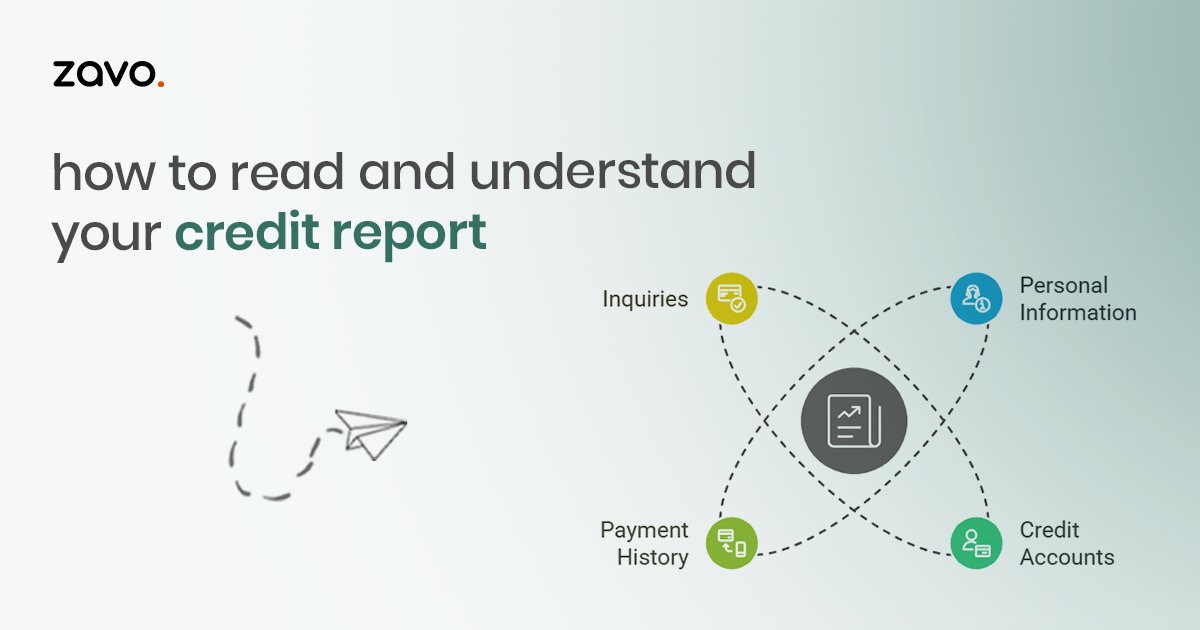
Table of contents7 sections
Did you know that errors in your credit report could cost you financially?
Recent headlines, such as Equifax’s $15 million settlement over flawed credit report investigations, highlight the critical importance of monitoring and understanding your credit report. It’s one of the most vital tools for understanding your financial health.
Your credit report holds a wealth of information that lenders, landlords, and even employers may use to assess your reliability. Learning how to read and understand your credit report is a critical skill for managing your finances effectively.
What is a Credit Report?
A credit report is a detailed summary of your credit history, compiled by credit bureaus like Experian, TransUnion, and Equifax. It includes information about your credit accounts, payment history, outstanding debts, and recent inquiries. This report helps determine your credit score, which is used to evaluate your creditworthiness.
Sections of a Credit Report
1. Personal Information
This section includes your name, Social Security number, date of birth, and current and past addresses. It’s crucial to ensure accuracy in this section because errors can lead to mistaken identity or delays in credit approvals. For instance, a misspelled name or outdated address could affect how lenders evaluate your creditworthiness.
2. Credit Accounts (Trade Lines)
This part details your credit cards, loans, and other credit accounts. Each entry includes the creditor’s name, account type, balance, payment history, and account status (e.g., open, closed, or delinquent). Regularly review this section to spot accounts you don’t recognize, which may indicate identity theft or errors.
3. Public Records
Public records include major financial issues such as bankruptcies, tax liens, or civil judgments. These records can have a severe impact on your credit score and may remain on your report for up to seven years. Checking this section ensures that resolved issues are no longer listed.
4. Credit Inquiries
Credit inquiries show who has checked your credit. Hard inquiries, from applications for loans or credit cards, can affect your score, while soft inquiries, such as those from checking your own credit, do not. Too many hard inquiries can indicate high credit risk.
Steps to Read Your Credit Report
1. Obtain Your Credit Report
Federal law allows you a free copy from each bureau annually through zavo. Comparing reports ensures all information is consistent and accurate.
2. Review Personal Information
Verify that your name, address, and other details are correct. Mistakes here can lead to credit denials or confusion with another person’s records.
3. Check Account Details
Examine account balances, payment histories, and credit limits. Ensure all data is accurate, as discrepancies might impact your score and financial opportunities.
4. Assess Public Records and Inquiries
Ensure that all listed public records and inquiries are legitimate. Unfamiliar entries could signal identity theft or errors.
5. Understand Your Credit Utilization
Your credit utilization ratio—the percentage of your credit limits being used—is a key factor in your credit score. Keeping it below 30% is typically beneficial.
Common Errors to Watch For
1. Incorrect Balances or Limits:
If the balances on your accounts or the credit limits assigned to your cards are inaccurate, it can lead to incorrect calculations of your credit utilization ratio. This ratio is crucial for credit scores, as it reflects how much credit you're using compared to the total available. Overstated balances or understated limits may make it appear as though you are overutilizing credit, potentially lowering your score.
2. Unrecognized Accounts:
Discovering accounts you don’t recognize on your credit report is a red flag. These could be the result of fraud, such as someone opening accounts in your name without your knowledge. Identifying these accounts early can help mitigate potential damage to your credit and personal finances.
3. Duplicate Entries:
Duplicate reporting of accounts can artificially inflate your total debt. For example, if the same loan or credit card account is listed twice, it might appear as though you owe more than you actually do. This could affect your credit score and lead to unnecessary concerns about your debt levels.
4. Wrong Personal Details:
Errors in your name, address, or other personal details on your credit report can cause problems, such as confusion with another person’s credit history. Such mix-ups could lead to incorrect entries in your report, making it essential to verify and correct any inaccuracies.
Disputing Errors
If you find an error on your report, file a dispute with the relevant credit bureau. Include documentation supporting your claim, such as bank statements or correspondence with creditors. The bureau is required to investigate and resolve the issue, typically within 30 days. Understanding your credit report is essential for managing your financial health effectively. Here's why each point matters:
1.Spot and Fix Errors Promptly:
Mistakes in your credit report, such as incorrect balances, unrecognized accounts, or duplicate entries, can negatively impact your credit score. Regularly reviewing your report allows you to identify and dispute errors before they cause long-term damage.
2. Boost Your Credit Score:
By addressing errors and managing your credit usage based on the information in your report, you can improve your credit score. A higher score can lead to better financial opportunities, such as lower interest rates and higher credit limits.
3. Safeguard Yourself from Identity Theft:
Monitoring your credit report helps you detect signs of identity theft, such as accounts or inquiries you don’t recognize. Early detection allows you to take immediate action, minimizing potential damage to your finances and reputation.
4. Secure More Favorable Loan Terms:
Lenders use your credit report to assess your creditworthiness. A clean, accurate report can help you qualify for loans with lower interest rates, higher borrowing limits, and better repayment terms, ultimately saving you money.
By staying informed about your credit report, you can take control of your financial future, protect yourself from fraud, and make better-informed decisions.
Conclusion
Your credit report is a powerful resource for managing your financial health. It provides a detailed snapshot of your credit history, helping you understand how lenders view your financial habits. By learning how to interpret its structure and regularly reviewing it for errors or inaccuracies, you can take charge of your financial future. Monitoring your credit report allows you to correct mistakes, protect against identity theft, and improve your credit score, enabling you to make informed financial decisions.
Start by requesting your free credit report today—it’s an essential step toward achieving financial empowerment. Whether you’re planning for a major purchase, aiming to boost your creditworthiness, or simply want to stay informed, understanding your credit report is key.
Have questions or need support? Get in touch with us! Our team is here to guide you through the process, answer your questions, and help you make the most of your credit report. Let’s work together toward a stronger financial future!
FAQs
1. How often should I check my credit report?
You should check your credit report at least once a year or more frequently if you suspect fraud or are planning a major financial decision.
2. Can checking my credit report lower my credit score?
No, checking your own credit report is considered a "soft inquiry" and does not impact your credit score.
3. What should I do if I find an error on my credit report?
File a dispute with the credit bureau reporting the error. Provide evidence to support your claim and follow up to ensure it is resolved.
4. What is the difference between a credit report and a credit score?
A credit report is a detailed record of your credit history, while a credit score is a numerical representation of your creditworthiness based on the information in your report.
5. Are there tools to help me monitor my credit report?
Yes, many services, like zavo, offer free credit monitoring and alerts to help you stay on top of your financial health.