
20 January 2025 · Aditi sharma
The Impact of Late Payments on Your Credit Score: What You Should Know
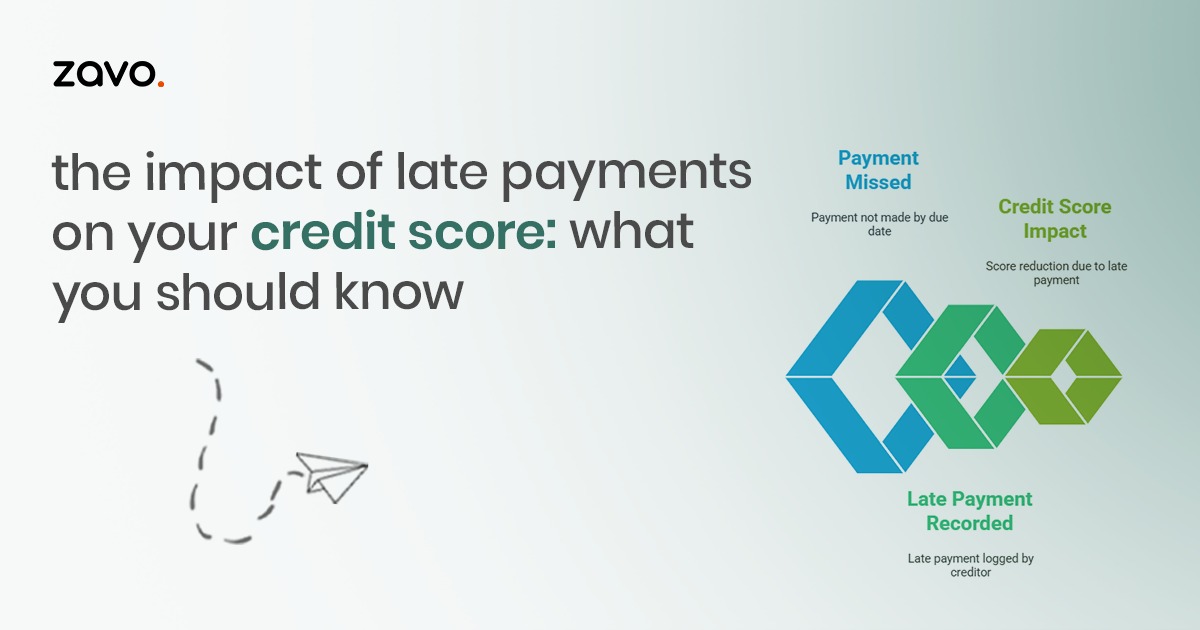
Table of contents8 sections
Missed a payment by just one day?
It might cost you more than you think. While a single day’s delay might not immediately appear on your credit report, it can trigger late fees, higher interest rates, and potentially lead to more severe consequences if left unresolved. How much does a late payment really hurt your credit score?
The answer depends on various factors, but the repercussions are often more serious than most people expect. Late payments are not just a common issue but a critical factor in determining your credit score and overall financial health. By understanding how late payments affect your credit and the elements that influence their impact, you can take proactive steps to protect your financial stability and work towards maintaining a healthy credit profile.
Late Payments and Credit Score: The Connection
Late payments can significantly hurt your credit score, as payment history is a key factor in credit scoring. Even a single missed payment can drop your score, especially for those with excellent credit. The impact is more severe for high scores because lenders view consistent payments as a sign of reliability. Late payments can lead to higher interest rates, lower credit limits, and difficulty obtaining credit, making it important to stay on top of payments.Those with excellent credit are more affected by late payments than those with lower scores. The reason is simple: lenders see payment history as a key indicator of future reliability.
How Late is "Late"?
Not all late payments are created equal. Creditors typically report payments as late only when they are 30 days past due. Payments that are late by 60 or 90 days are considered even worse and can lead to further credit score drops. While late payments under 30 days usually don’t appear on credit reports, they can still result in late fees or interest rate penalties. Understanding these timelines is essential to minimize the damage to your credit score and to avoid unnecessary penalties.
The Long-Term Effects of Late Payments
The consequences of a late payment can last for up to seven years on your credit report. However, the good news is that the negative impact diminishes over time, especially if you consistently make on-time payments afterward. The first two years are when late payments have the most significant effect. After that, their influence lessens, particularly if they’re isolated incidents. This underscores the importance of adopting good financial habits after a misstep.
Avoiding Late Payments
The best way to deal with late payments is to prevent them altogether. Consider setting up automatic payments or calendar reminders to ensure you never miss a due date. Building an emergency fund is another effective strategy, allowing you to cover unexpected expenses without falling behind on bills. If you’re facing financial difficulties, reach out to your lender to discuss potential solutions like adjusted payment plans or temporary grace periods. Many lenders are open to such discussions and would rather help you avoid default than deal with delinquency.
Correcting Late Payment Errors
If a late payment has been reported in error, you have the right to dispute it. Start by reviewing your credit report for inaccuracies. You can file a dispute with the credit bureau that reported the error. The Federal Trade Commission provides clear guidelines on how to navigate this process. Disputing and resolving errors can remove incorrect records, which in turn restores your credit score. Be proactive and vigilant in monitoring your credit to catch any inaccuracies early.
Impact of late payments on your credit score
1. Negative impact on credit score: A single missed payment reduces the credit score and in turn limits your chances of getting a future loan or a credit card.
2. Credit report reflection: Late or missed payments also remain on the credit report for a minimum of 36 months and portrays you with poor borrowing habits.
3. Minor defaults: Payments due but not yet overdue, that is, payments that are less than 90 days past due. These reduce your credit score although they can become better again if payments are resumed on time.
4. Major defaults: Any amount of payment outstanding for a period of more than 90 days are categorised as non-performing assets (NPAs). These substantially lower your credit score, getting back to 750+ becomes tough, and your creditworthiness decreases.
5. Multiple defaults:In case of multiple loans existing and you fail to make timely payments in more than one EMIs, your credit score will be drastically impacted.
Conclusion
Late payments can be a financial setback, but they’re not the end of the road. By understanding their impact and adopting proactive measures, you can protect your credit score and financial health. Take action today to avoid future credit woes.At zavo, we specialize in empowering individuals to regain control of their financial future. Explore our personalized credit repair solutions and financial education resources today. Contact us to take the first step toward financial freedom.
Frequently Asked Questions
1. How much will one late payment hurt my credit score?
It depends on your current score and how late the payment is. A single 30-day late payment can cause a drop in points for someone with a high score.
2. How long does a late payment stay on my credit report?
A late payment can remain on your credit report for up to seven years. However, its impact diminishes over time if you maintain a good payment history.
3. Can I dispute a late payment?
Yes, if it was reported in error, you can dispute it with the credit bureau. Make sure to gather evidence like payment receipts or bank statements to support your claim.
4. Will paying off the debt remove the late payment from my report?
No, paying off the debt doesn’t remove the late payment record. However, it shows lenders that you’ve settled the account, which can improve your creditworthiness over time.
5. How can I avoid late payments?
Set up automatic payments, create reminders, or maintain an emergency fund to ensure you can meet payment deadlines. Communication with your lender can also help if you’re experiencing financial challenges.