
14 January 2025 · Aditi sharma
How to Safeguard Your Credit Profile from Identity Theft
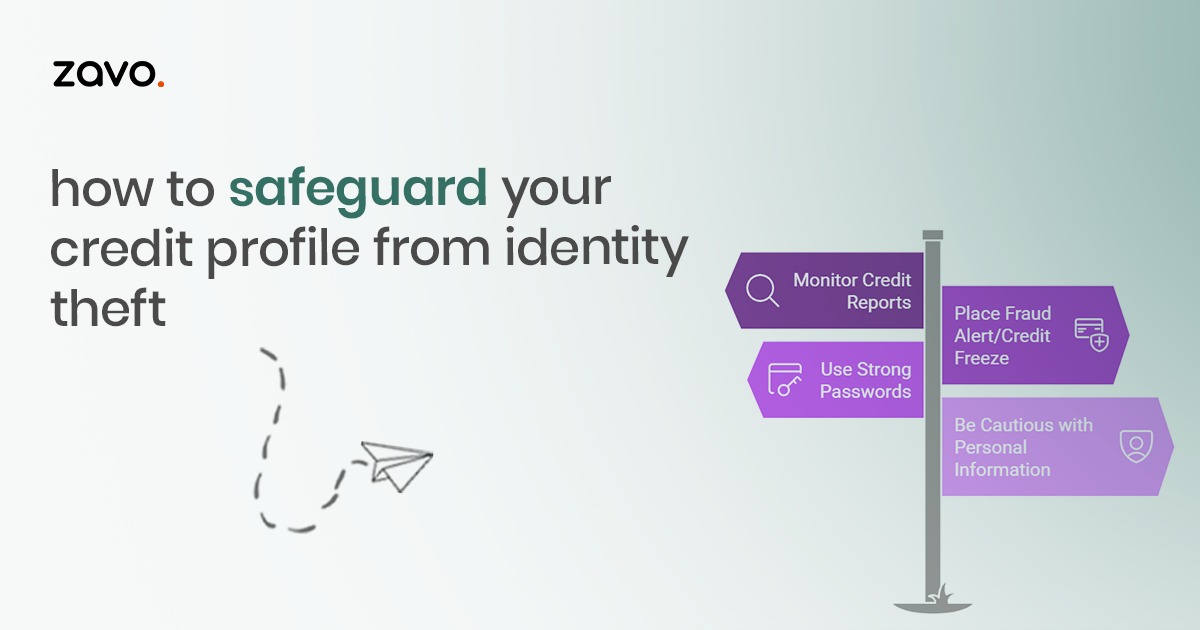
Your credit profile is your financial fingerprint. Protect it like you would your identity." In today's digital age, where financial transactions are increasingly taking place online, safeguarding your credit profile has become more important than ever. Identity theft is a rising threat, and if your personal and financial information falls into the wrong hands, it can lead to severe consequences that might take years to undo.In this blog, we’ll walk you through practical, effective strategies to protect your credit profile from identity theft. By following these steps, you can safeguard your finances and prevent the havoc that identity theft can wreak.
1. Monitor Your Credit Regularly: Monitoring your credit report regularly is one of the most effective ways to identify any suspicious activity. If you’re not monitoring it, you may not know someone is misusing your information until it’s too late.
Why This Is Important:Identity thieves can open accounts in your name, and if you don't regularly monitor your credit, these fraudulent accounts can go unnoticed. Around 49% of identity theft victims only discovered the crime after it had already caused significant damage.
How to Do It: Sign up for credit monitoring services or set up alerts with each of the credit bureaus. You can also use free tools like zavo to keep tabs on changes to your credit score or unusual activities. To make credit monitoring even easier, consider using zavo. It offers real-time alerts and powerful protection features to keep your credit secure.
2. Set Up Fraud Alerts: Fraud alerts are a simple but effective way to add an extra layer of protection to your credit profile. By setting up a fraud alert, you're notifying potential creditors that they should take extra steps to verify your identity before extending credit.
Why This Is Important: When a fraud alert is in place, creditors must contact you to verify your identity before granting any new credit. This can prevent thieves from opening accounts in your name. The Federal Trade Commission (FTC) reports that fraud alerts have become increasingly popular as they directly deter identity thieves from attempting fraudulent activities.
How to Do It: You can easily set up a fraud alert by contacting any of the three major credit bureaus. The alert will last for one year, but it can be renewed.
3. Freeze Your Credit: A credit freeze, or a "security freeze," is one of the most powerful tools for preventing identity theft. When your credit is frozen, no one—including potential creditors—can access your credit report. This means no new credit accounts can be opened in your name.
Why This Is Important: By freezing your credit, you stop thieves in their tracks. Without access to your credit report, they can't open new accounts or commit fraud.
4. Use Strong, Unique Passwords: In an age where much of our financial activity happens online, a weak password can leave your accounts vulnerable to hackers. If you use the same password across multiple accounts, it’s even riskier.
Why This Is Important: Hackers often gain access to credit accounts through weak passwords or recycled ones. A study from Verizon’s Data Breach Investigations Report found that poor password practices are one of the leading causes of data breaches.
How to Do It: Always use strong, unique passwords for your financial accounts. A good password should be a mix of uppercase and lowercase letters, numbers, and symbols. Additionally, consider using a password manager to keep track of your credentials securely.
5. Be Wary of Phishing Scams: Phishing scams are one of the most common ways thieves steal personal information. These scams can come in the form of fake emails, phone calls, or texts that look like legitimate communications from banks, credit card companies, or other financial institutions.
Why This Is Important: Phishing attacks trick victims into providing sensitive information like passwords, account numbers, or Social Security numbers. Phishing attacks have increased in recent years and are one of the leading methods of identity theft.
How to Do It: Be extremely cautious about unsolicited emails, calls, or texts requesting sensitive information. Never click on links in emails unless you are sure of the sender's identity, and always verify any suspicious requests through official channels.
6. Shred Sensitive Documents: Identity thieves don’t only target digital information—they also look for paper documents containing personal information. Throwing away sensitive documents without shredding them can give thieves a goldmine of details to steal your identity.
Why This Is Important: Paper documents, such as old bank statements, tax returns, and credit card offers, can contain sensitive information like your Social Security number or account numbers. Thieves can easily gather personal information from discarded mail, making document shredding a vital step in preventing identity theft.
How to Do It: Invest in a good shredder, and make sure to shred all documents that contain sensitive personal information before discarding them. Don’t forget about old bills or outdated credit card offers.
7. Enable Two-Factor Authentication (2FA): Two-factor authentication (2FA) is an added layer of security that requires a second form of identification beyond your password. It’s typically a code sent to your phone or email that you must enter after inputting your password.
Why This Is Important: 2FA significantly reduces the risk of unauthorized access to your accounts. Even if a hacker obtains your password, they still can’t log into your account without the second factor. 2FA blocks 100% of automated bots and 96% of targeted attacks.
How to Do It: Enable 2FA on all accounts that support it—especially financial accounts, emails, and social media. You can do this in the security settings of your account.
8. Educate Yourself and Stay Updated: Staying informed about the latest identity theft tactics and how to protect yourself is crucial. The more you know, the less likely you are to fall victim to fraud.
Why This Is Important: Identity theft methods are constantly evolving, and keeping yourself updated ensures that you are using the latest tools and practices to secure your personal information. A report by Identity Theft Resource Center noted that the number of data breaches and identity theft cases continues to rise, making it essential to stay ahead of the curve. Regularly read trusted security blogs, follow financial news, and attend webinars about online safety.
Conclusion
Identity theft can have devastating consequences, but by following these steps, you can significantly reduce your risk and protect your credit profile. Remember, the best defense is a proactive one. Stay vigilant, monitor your credit, and implement the tools available to you, such as credit freezes and fraud alerts. Ready to take control of your credit security? Try zavo today for real-time alerts, credit monitoring, and enhanced protection against identity theft. By taking action now, you can safeguard your credit profile and avoid the long-term stress of identity theft.
FAQs
Can identity theft be prevented?
Identity theft can’t be prevented entirely, but you can make yourself less likely to become a victim. Safe online practices, such as using VPN when connected to public Wi-Fi and installing antivirus software on your computer, can help a great deal.
How do I stop someone from using my identity?
To stop someone from using your identity, you can seek help from services that offer identity restoration services. Most identity theft protection services offer this feature, but you can also get help from the FTC by filing an identity theft report. Finally, place a fraud alert and security freeze on your credit report either online or over the phone.
How do I protect my identity after being scammed?
You can protect your identity after being scammed by reporting it to the FTC. You can do so on the FTC’s IdentityTheft.gov website or by calling the FTC’s identity theft hotline at 877-438-4338. The FTC will provide you with an official Identity Theft Report; prefilled letters to send to affected banks, merchants, and financial institutions; and a recovery plan.
How do I find out if someone is using my identity?
To find out if someone is using your identity, you can get an identity theft protection service to monitor your free credit reports and scores. Most identity theft protection services also offer identity monitoring. They look at public records, websites, the dark web, and other areas where your personal information might pop up if someone stole it. If they find your information, they notify you