
20 January 2025 · Aditi sharma
Why Regular Credit Monitoring is Essential for Financial Literacy
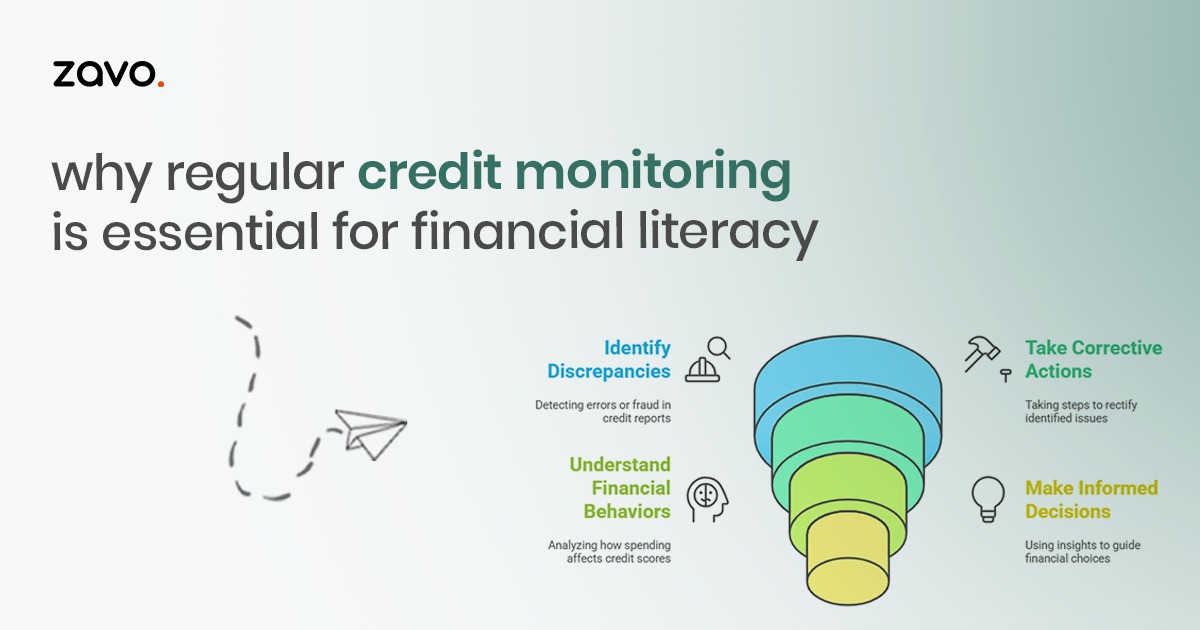
Table of contents7 sections
How often do you check your financial health?
This question might catch you off guard, but it’s more relevant today than ever. A recent report revealed that self-monitoring of credit scores increased by 73% in 2023, underscoring a growing awareness of financial literacy’s importance.
Your credit report—a snapshot of your financial credibility—is one of the most crucial indicators of your financial well-being. Regular credit monitoring doesn’t just safeguard you from identity theft; it’s also an indispensable tool for building financial literacy and achieving your goals.
Understanding the Importance of Credit Monitoring
Your credit report influences major financial decisions, such as securing loans, renting an apartment, or even landing a job. It provides a detailed record of your borrowing and repayment history, giving potential lenders, landlords, and employers insight into your financial reliability. Keeping a close eye on your credit ensures you are aware of changes that could impact these opportunities. These errors can lead to higher interest rates or loan denials, costing you significantly over time. By monitoring your credit, you can quickly identify and dispute inaccuracies, ensuring your financial profile remains accurate and advantageous.
Preventing Identity Theft
Identity theft is a growing concern in today’s digital age. Criminals can use stolen personal information to open fraudulent accounts, rack up debt in your name, or even commit crimes that leave you responsible. Services provide real-time alerts when suspicious activity is detected, such as new credit inquiries or changes to your accounts. This immediate notification allows you to take action, such as freezing your credit or reporting the fraud, minimizing potential financial damage and stress.
Enhancing Financial Decision-Making
Financial literacy involves a comprehensive understanding of credit and how it impacts your overall financial health. Regularly reviewing your credit report can reveal patterns in your spending or borrowing habits, enabling you to make better decisions. For instance, if your credit utilization ratio—the percentage of available credit you’re using—is too high, it could negatively affect your credit score. By monitoring your credit, you can identify these trends and adjust your financial behavior accordingly.
Improving Your Credit Score
Your credit score is a dynamic number that changes based on your financial activities. Monitoring helps you understand the factors influencing your score, such as payment history, credit utilization, and account age. By identifying areas that need improvement, you can take actionable steps to boost your score. For example, paying down high balances, avoiding late payments, or diversifying your credit mix can have a positive impact.
Boosting Confidence in Financial Planning
A monitored credit report serves as a financial compass, offering clarity and direction for your long-term goals. Whether you're saving for a house, planning a vacation, or preparing for retirement, understanding your credit health provides a solid foundation for making informed decisions. Monitoring your credit gives you the confidence to negotiate better loan terms, identify opportunities to save, and protect yourself from unforeseen financial setbacks. By keeping track of your credit, you can ensure your financial plans are built on a stable and secure foundation.
Conclusion
Regularly staying informed about your financial health is more than a preventive measure; it’s an educational journey that empowers you to make sound financial decisions. By understanding your financial status, you’re better prepared to achieve success and safeguard yourself from potential challenges. Start taking charge of your financial future today with tools that provide real-time insights and alerts, enabling you to set clear goals, identify opportunities, and navigate obstacles with confidence. The steps you take now to monitor and improve your financial well-being can have a lasting impact, paving the way for greater stability, security, and long-term success. Have questions or need assistance? Contact zavo today and let us help you take the next step in achieving your financial goals. We're here to provide support, guidance, and the tools you need to secure a brighter financial future.
Frequently Asked Questions:
1.Why should I monitor my credit regularly?
Monitoring your credit is crucial for maintaining financial health. It allows you to quickly identify and address any inaccuracies, such as errors in reporting or signs of identity theft. Regular monitoring also helps you stay updated on changes to your credit profile, which can influence major financial decisions like applying for loans, setting insurance premiums, or even securing employment in certain fields.
2. How often should I check my credit report?
Checking your credit report regularly ensures that you remain aware of your financial standing. Experts suggest reviewing your report at least once every three months to catch any discrepancies early. Additionally, it's a good idea to check your credit report after significant financial events, such as applying for a mortgage or car loan, to ensure the transactions are recorded accurately.
3. Is credit monitoring the same as credit repair?
No, these are distinct processes. Credit monitoring is a proactive service that keeps you informed about any changes to your credit file, like new accounts or hard inquiries. It’s designed to alert you to potential fraud or unusual activity. On the other hand, credit repair focuses on addressing and resolving negative items on your credit report, such as disputing inaccuracies or working to remove outdated or incorrect information that may be lowering your score.
4. Does checking my credit lower my score?
No, checking your own credit does not negatively impact your score. This type of inquiry is known as a soft inquiry and is completely harmless. In contrast, a "hard inquiry," such as one initiated by a lender during a credit application, can temporarily lower your score. Regularly checking your own credit is a responsible habit that helps you stay informed and in control of your financial health.