
8 November 2024 · Aditi Sharma
What Is a Credit Score and Why Does It Matter?
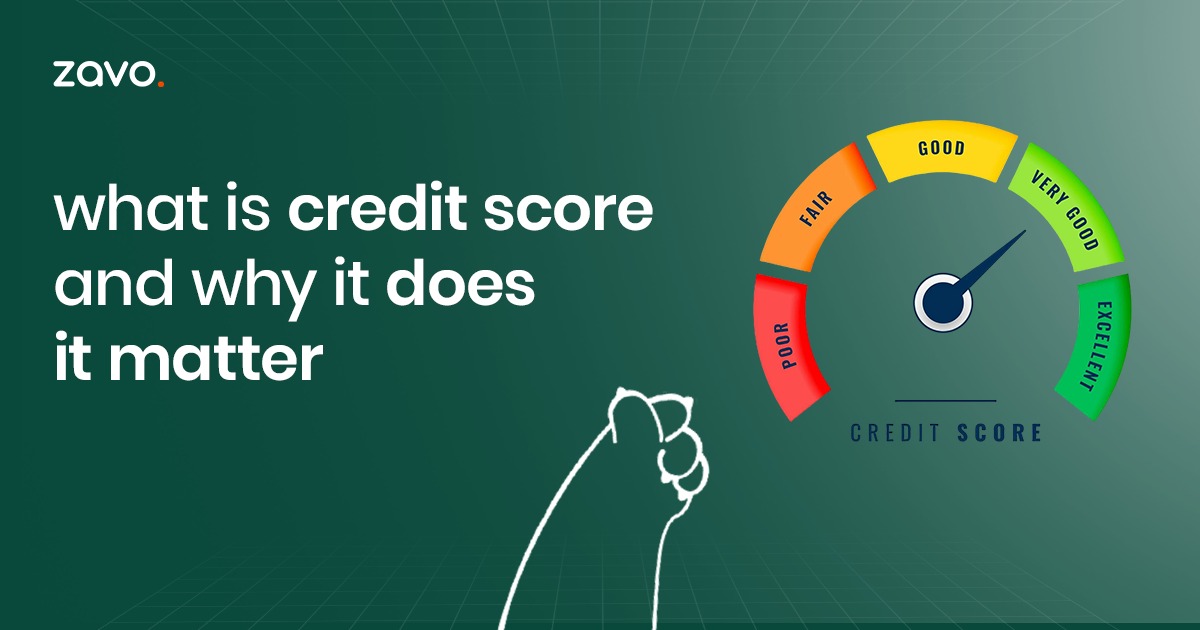
Table of contents16 sections
- 1. Loan Approvals
- 2. Interest Rates on Loans
- 3. Credit Card Eligibility
- 4. Loan Amounts and Terms
- 5. Impact on Employment and Housing
- 1. Payment History (35%)
- 2. Credit Utilization (30%)
- 3. Length of Credit History (15%)
- 4. Types of Credit (10%)
- 5. New Credit Inquiries (10%)
- 1. Make Timely Payments
- 2. Reduce Outstanding Debt
- 3. Avoid Applying for New Credit Frequently
- 4. Keep Old Accounts Open
- 5. Check Your Credit Report Regularly
- Frequently Asked Questions (FAQs)
Have you ever wondered how banks and lenders decide whether to approve your loan application or deny it?
The answer lies in a crucial three-digit number with more power than you might realize—your credit score. This number plays a vital role not just in determining whether you can borrow money but also in shaping the interest rates, repayment terms, and even opportunities beyond financial services, such as securing an apartment or even landing a job.
But what exactly is a credit score, and why is it so important?
Let’s explore the world of credit scores, how they are calculated, and how they affect various aspects of life.
What Is a Credit Score?
A credit score is a numerical representation of your creditworthiness—a score that signals to lenders how likely you are to repay borrowed money. This score typically ranges from 300 to 900 in India, with higher numbers reflecting a better credit profile.
Your credit score is calculated based on your credit history, which includes your borrowing behavior, payment track record, the amount of credit you use, the age of your credit accounts, and even the number of recent credit inquiries. The higher your score, the more confidence lenders have in your ability to manage credit responsibly.
In India, credit scores are generated by credit rating agencies such as CIBIL (Credit Information Bureau India Limited), Experian, Equifax, and CRIF High Mark. These agencies collect data from banks and financial institutions to create your credit report and assign a score that reflects your creditworthiness.
Why Does a Credit Score Matter?
Your credit score acts as your financial reputation—a snapshot of your financial behavior. It helps lenders assess how risky it is to lend money to you. A higher score increases your chances of loan approval, while a low score could mean rejection or higher interest rates.
Here are the top reasons why your credit score is so crucial in today’s financial world:
1. Loan Approvals
One of the most direct ways your credit score matters is in loan approvals. Whether you're applying for a personal loan, a car loan, or a mortgage, the lender will look at your credit score as a key factor in deciding whether to approve your application.
Example: Let’s say you have a credit score of 780. Banks and lenders will likely see you as a low-risk borrower and approve your loan application swiftly, often with fewer documents and less scrutiny. On the other hand, if your score is around 600, you might either face rejection or need to submit more documentation to prove your creditworthiness.
2. Interest Rates on Loans
Even if you are approved for a loan, your credit score will significantly impact the interest rate you are offered. A higher score indicates lower risk, which translates into better loan terms, including lower interest rates. A lower score, however, could result in steep interest rates as a form of protection for the lender.
Example: If two individuals apply for the same home loan of ₹20 lakh, the person with a credit score of 800 might be offered a 7% interest rate, while someone with a score of 620 might be offered 9%. Over time, the lower interest rate can save the borrower lakhs of rupees.
3. Credit Card Eligibility
Your credit score also determines your eligibility for credit cards. A good credit score opens doors to premium credit cards that offer higher credit limits, lower interest rates, and attractive rewards like cashback, air miles, or exclusive shopping deals. On the flip side, a low credit score could limit your options to basic credit cards with fewer perks and higher interest rates.
Example: With a credit score above 750, you might be eligible for a card that offers cashback on every purchase and rewards on travel expenses. If your score is below 650, you may only qualify for entry-level cards with fewer benefits and higher annual fees.
4. Loan Amounts and Terms
Your credit score doesn’t just affect whether you get approved for a loan—it also influences the loan amount and repayment terms. Borrowers with high scores may qualify for larger loans and longer repayment periods, often at favorable terms, while those with lower scores may face tighter borrowing limits and less flexibility.
Example: A borrower with a credit score of 800 may be approved for a personal loan of ₹10 lakh with a 5-year repayment term. However, someone with a score of 600 may only be approved for ₹5 lakh, with a shorter repayment term of 2 years and higher EMIs.
5. Impact on Employment and Housing
Surprisingly, your credit score can also play a role beyond the financial world. Some employers and landlords perform credit checks as part of their background screening process. A poor credit score may raise red flags, signaling a lack of financial responsibility, which could affect your chances of securing certain jobs or renting an apartment.
Example: If you’re applying for a job in the finance sector, especially in a role that involves handling money or managing accounts, a potential employer may request your credit report. A high score can reflect positively on your reliability, while a low score could work against you.
How Is a Credit Score Calculated?
Your credit score is not a random number—it’s carefully calculated using several factors, each carrying a different weight. Here’s a breakdown of the factors that influence your score:
1. Payment History (35%)
The most important component of your credit score is your payment history—how consistently you’ve made payments on time. Missing even one credit card or loan payment can have a significant negative impact on your score. Lenders look at your history of payments to determine whether you are reliable.
Tip: Always pay your bills on time, even if it’s the minimum amount due. Setting up automatic payments can help ensure you don’t miss a due date.
2. Credit Utilization (30%)
Your credit utilization ratio is the amount of credit you’re using relative to your total credit limit. If you frequently max out your credit cards or use a high percentage of your available credit, it can harm your score. Ideally, you should keep your credit utilization ratio below 30%.
Example: If your credit card limit is ₹1 lakh, try not to use more than ₹30,000 at any given time. High usage signals to lenders that you may be overly reliant on credit.
3. Length of Credit History (15%)
The age of your credit accounts also matters. A longer credit history gives lenders more data to assess your borrowing habits, which generally works in your favor. If you’ve had a credit card for 10 years and always paid on time, it reflects positively on your score.
Tip: Avoid closing old credit card accounts, as this can reduce the average age of your credit history.
4. Types of Credit (10%)
Lenders like to see that you can manage different types of credit responsibly, such as a mix of credit cards, personal loans, home loans, etc. A healthy variety of credit accounts shows that you can handle multiple types of debt without issues.
5. New Credit Inquiries (10%)
Every time you apply for new credit, the lender performs a hard inquiry to check your credit score. Too many inquiries within a short period can negatively affect your score because it signals financial distress.
Tip: Be selective about when and where you apply for credit. Don’t apply for multiple loans or credit cards at once.
What Are the Ranges of a Credit Score?
The range of a credit score can give you an idea of where you stand financially:
-
Excellent (750-900): You are highly creditworthy, and lenders will likely offer you the best interest rates and loan terms.
-
Good (700-749): You are seen as a reliable borrower, and most lenders will approve your loan application, though the terms may not be as favorable as someone with an excellent score.
-
Fair (650-699): You may still qualify for loans, but expect higher interest rates and less favorable terms.
-
Poor (600-649): Loan approval may be more difficult, and if you are approved, you’ll likely face higher interest rates.
-
Very Poor (300-599): You are considered a high-risk borrower, and lenders may either reject your application or offer extremely unfavorable terms.
How to Improve Your Credit Score?
Improving your credit score takes time and consistent effort. Here are some steps you can take to boost your score:
1. Make Timely Payments
Always pay your credit card bills and loan EMIs on or before the due date. Late payments are one of the biggest factors that can lower your credit score.
2. Reduce Outstanding Debt
Try to pay down existing debt, especially high-interest loans and credit card balances. Lowering your credit utilization ratio can significantly improve your score.
3. Avoid Applying for New Credit Frequently
Each credit inquiry affects your score, so avoid applying for multiple loans or credit cards in a short period unless absolutely necessary.
4. Keep Old Accounts Open
Closing old credit card accounts may reduce the average length of your credit history, so keep them open even if you don’t use them often.
5. Check Your Credit Report Regularly
Regularly monitor your credit report for errors or discrepancies that could be dragging your score down. If you spot any mistakes, report them to the credit bureau to get them corrected.
Conclusion
Your credit score is a critical part of your financial health. It not only determines your ability to get loans and credit cards but also impacts the interest rates and terms offered to you. A good credit score opens doors to better financial opportunities, lower borrowing costs, and even non-financial benefits like employment and housing prospects.
Understanding how your credit score is calculated and knowing what actions affect it can help you take control of your financial future. Whether you’re just starting your credit journey or looking to improve a less-than-ideal score, developing healthy credit habits—like paying bills on time, reducing debt, and avoiding unnecessary credit inquiries—can go a long way in boosting your creditworthiness.
In a world where financial decisions are often driven by algorithms and automated systems, your credit score is one of the most powerful numbers you have. By staying informed and proactive, you can ensure that your credit score works for you, not against you.
Frequently Asked Questions (FAQs)
1. How often should I check my credit score?
You should check your credit score at least once every three months to monitor any changes and catch potential errors.
2. Does checking my own credit score lower it?
No, checking your own credit score through a soft inquiry does not lower your score. Only hard inquiries—made by lenders when you apply for credit—can temporarily impact your credit score.
3. Can I improve a bad credit score?
Yes, you can improve a bad credit score by making consistent on-time payments, reducing outstanding debts, and limiting new credit applications. Over time, these actions will gradually boost your score.
4. How long does negative information stay on my credit report?
Negative information, such as late payments or defaults, typically stays on your credit report for 7 years. However, as time passes and you maintain good credit habits, the impact of that negative information diminishes.
5. Is it possible to get a loan with a low credit score?
Yes, it is possible to get a loan with a low credit score, but your options may be limited, and you will likely face higher interest rates and less favorable terms. You may also need to provide additional documentation or secure a co-signer to get approval.