
18 January 2025 · Aditi sharma
Secured vs. Unsecured Loans: Which Is Right for You?
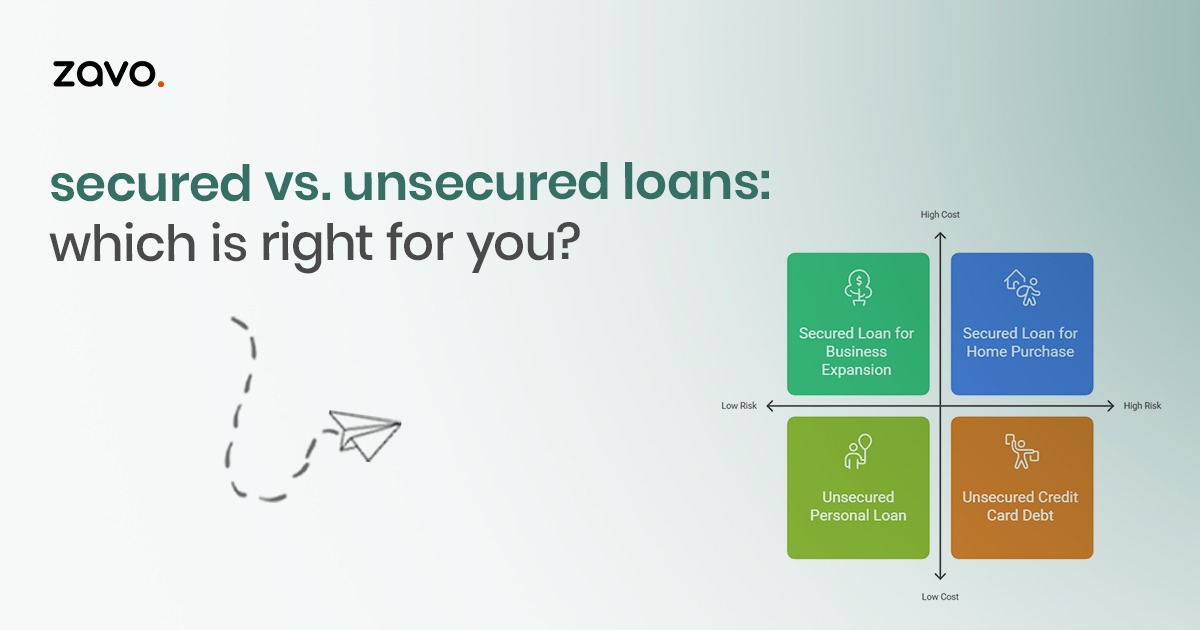
Table of contents8 sections
When it comes to borrowing money, there are two main types of loans to choose from: secured and unsecured. But which one is right for you? The decision often depends on your financial situation, the purpose of the loan, and the risks you're willing to take. Understanding the differences between secured and unsecured loans, along with the benefits and drawbacks of each, is essential to making an informed decision. In this blog post, we will explore both types of loans in detail and help you understand which is best suited for your needs.
What is a Secured Loan?
A secured loan is one where you offer an asset, such as a home, car, or savings, as collateral. If you fail to repay, the lender can seize the collateral to recover their losses. These loans typically have lower interest rates because the lender’s risk is minimized by the collateral. Secured loans are often used for large expenses like buying a house or financing a car.
The key benefit of secured loans is the ability to borrow larger sums at more favorable rates. However, if you default, you risk losing your collateral. With tighter RBI regulations, many fintech companies are pivoting toward secured loans to ensure responsible lending while offering protection for both borrowers and lenders.
Make sure you're confident in your ability to repay before opting for a secured loan, as the risks involved can be significant.
What is an Unsecured Loan?
An unsecured loan doesn’t require collateral. Instead, the lender assesses your creditworthiness, income, and financial history to approve the loan. Common examples include personal loans, credit card debt, and student loans. Since there’s no collateral, unsecured loans typically come with higher interest rates, as lenders face more risk.
These loans are ideal for borrowers without valuable assets to offer or those seeking smaller amounts. While they provide flexibility and peace of mind (since you won’t lose assets if you default), they do come with higher costs and smaller loan amounts compared to secured loans.
However, failing to repay can damage your credit score or lead to legal action, though it won’t result in asset seizure. As banks face rising stress from unsecured loans, recovery agents are in high demand, highlighting the increased risks for lenders. Always ensure you can meet repayment terms before taking on an unsecured loan.
When Should You Choose a Secured Loan?
Secured loans are a good option if you need to borrow a large sum of money and are confident in your ability to repay the loan. For example, mortgages are often secured loans because they are typically large, long-term loans that require a lower interest rate. Similarly, if you're buying a car or funding a major home renovation, a secured loan could be a more cost-effective choice, as it would likely come with a lower interest rate than an unsecured loan.
The main factor to consider when choosing a secured loan is whether you're comfortable using an asset as collateral. If you're putting up your home or car as collateral, you should be sure you’re able to manage the repayments. Defaulting on a secured loan could lead to losing your home or vehicle, so this type of loan is best suited for borrowers who have a stable income and a clear plan for repayment.
Additionally, secured loans are ideal for people who may not have a strong credit history or are unable to qualify for an unsecured loan. The collateral makes the lender more willing to approve the loan, even if your credit score is not perfect.
When Should You Choose an Unsecured Loan?
Unsecured loans are an ideal choice for people who need a smaller amount of money or those who are not comfortable using an asset as collateral. If you don’t have property to offer or if you’re not willing to risk losing it, unsecured loans provide a more flexible and less risky option. They’re also an excellent choice if you don’t want the burden of securing the loan with collateral and can manage the higher interest rates.
Unsecured loans are typically used for expenses like home improvement projects, paying off credit card debt, or covering medical bills. They can also be a good option for consolidating debt, as the loan could have a lower interest rate than some other forms of debt. However, they are more difficult to get approved for, especially if you have bad credit or a poor financial history.
If you’re considering an unsecured loan, be sure to compare interest rates and loan terms to ensure you’re getting the best deal. If you qualify for a low-interest unsecured loan, it could be a great choice for funding smaller expenses or consolidating high-interest debt.
Secured vs. Unsecured Loans: Key Differences
When deciding between a secured and unsecured loan, there are several key factors to keep in mind:

Which Loan Is Right for You?
Choosing between a secured and unsecured loan ultimately depends on your specific financial situation and goals. If you need a larger loan, have valuable assets to use as collateral, and can manage the risks associated with secured loans, a secured loan may be a better fit. However, if you prefer not to risk losing an asset or you need a smaller amount of money, an unsecured loan could be the right choice.
Before making a decision, it’s essential to assess your financial situation, determine how much money you need, and understand the risks associated with each option. Regardless of which type of loan you choose, always make sure you can comfortably repay it before taking on any debt.
Final Thoughts
Choosing between secured and unsecured loans can be a big decision, but with the right information, you can make a choice that aligns with your financial goals and situation. If you're ready to get started, explore your options with zavo! Our expert advisors can help you compare loan offers and find the best rates, so you can borrow with confidence.
FAQs
1. What is the main difference between a secured and unsecured loan?
The main difference is that a secured loan requires collateral, such as a car or house, while an unsecured loan does not. Secured loans typically offer lower interest rates but come with the risk of losing your asset.
2. Can I get a loan with bad credit?
It’s more challenging to get a loan with bad credit, but it’s not impossible. Secured loans may be an option since they require collateral, making lenders more willing to approve borrowers with poor credit.
3. Is an unsecured loan a good idea?
An unsecured loan can be a good idea if you need a smaller amount of money and don’t want to risk losing property. However, unsecured loans usually come with higher interest rates than secured loans, so it's essential to compare terms carefully.
4. How do I know if I qualify for a secured or unsecured loan?
Qualification for a secured or unsecured loan depends on factors like your credit score, income, and financial history. Secured loans are typically easier to qualify for, as they are backed by collateral, while unsecured loans require good credit.