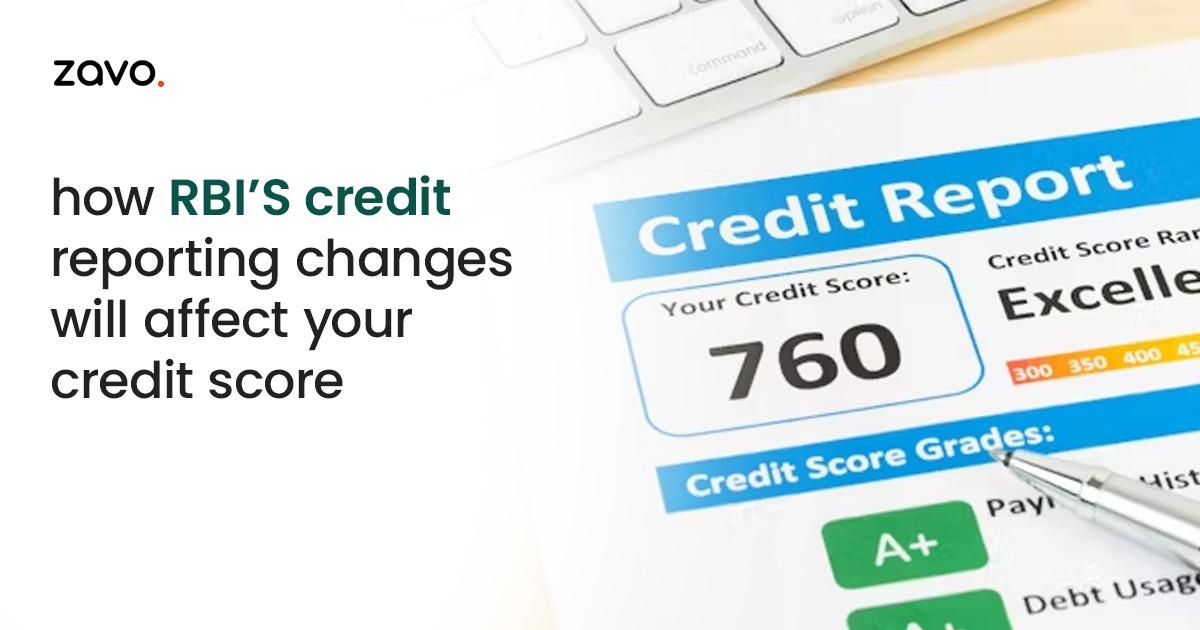
Sounds like a dream, right? But it's now a reality, thanks to a new rule introduced by the Reserve Bank of India (RBI). As of January 1, 2025, financial institutions are required to update borrowers' credit data every 15 days, instead of just once a month. This update may sound small, but it can potentially bring massive changes to how credit scores are calculated and how quickly your financial behaviour is reflected.
Whether you’ve just paid off your credit card bill or missed a loan EMI, that action will show up much sooner on your credit report. But what does this mean for you, as a borrower or a lender? Is it a step forward or just another regulatory tweak? And most importantly how can you use this to your advantage to maintain or boost your credit health?
Let’s break it down in a simple, relatable way.
Understanding the Shift in Credit Reporting

The idea behind the new credit reporting rule is straightforward speed up how frequently financial activities are reported to credit bureaus.Until now, credit data was reported monthly. This meant that your payment or default on a loan or credit card could take weeks to show up in your report. In fact, experts noted that it sometimes took up to 40 days for updates to reflect, causing a delay that could cost borrowers good credit opportunities. With the new 15-day rule, lenders must now provide updates twice a month. This frequency allows for more accurate and real-time updates, whether you’ve paid your dues on time or delayed them.
For lenders, this is equally valuable. They no longer have to rely on potentially outdated credit data. When evaluating a loan application, they can now access a fresher, more reliable snapshot of a borrower's credit habits. This change brings India's credit reporting practices closer to global standards. It enhances trust in the credit ecosystem and helps ensure timely and accurate financial data reporting. For borrowers, it’s a chance to build a stronger credit profile in real-time.
Why Does This Matters to Borrowers and Lenders?
If you’ve ever been frustrated because your recent payment didn’t reflect on your credit report in time for a loan application, this change is good news. The 15-day cycle allows your on-time payments to appear faster, which could instantly improve your creditworthiness when applying for loans. On the flip side, if you’ve missed a payment, that too will show up quicker so timely repayment becomes more critical than ever.
For lenders, this means faster access to the most recent borrower data. They no longer have to make high-stakes lending decisions using outdated or incomplete credit information. For both sides, this makes the loan approval process smoother. Better data means more accurate evaluations, fewer surprises, and smarter credit risk assessment.
This policy also acts as a major boost for first-time borrowers. Many of them apply for multiple loans simultaneously, unaware of the impact it has on their credit profile. With more frequent updates, these behaviours are quickly recorded, which helps lenders assess risk more accurately and support responsible lending.
Impact on Credit Score Management

Credit scores are no longer just numbers updated once a month. With the 15-day rule, your score becomes a more responsive indicator of your financial habits. If you're someone who consistently pays EMIs or credit card bills on time, your efforts will now be rewarded faster. That means better chances at getting loans, higher credit limits, and lower interest rates.
Previously, even a single missed payment might go unnoticed for weeks. By the time it hit your report, the damage was already done. The new system makes things more real-time, helping both borrowers and lenders make decisions based on current behaviour, not historical data. It also helps prevent what's known in financial circles as ‘evergreening’ where a borrower takes a new loan just to pay off an old one. This cycle, if undetected for long, creates a chain of bad debt. With frequent credit reporting, such patterns are easier to identify and address early.
The faster reflection of defaults will also allow borrowers to seek support before things spiral out of control. For instance, they can restructure loans or set up payment plans before their credit score takes a massive hit.
Credit Reporting and Financial Planning
More frequent credit score updates don’t just help with loan approvals. They also help with better financial planning. Now that your payments are reported every 15 days, it becomes easier to track how your spending and repayments are affecting your credit score in real-time. Think of it as having a financial health tracker that updates more frequently.
Apps and platforms that offer free credit score checks have already become popular. With these tools, you can monitor your score without affecting it and get personalised tips to improve it. When tied in with the new 15-day update cycle, this becomes a powerful way to take control of your financial future.
Let’s say you paid off a significant chunk of your credit card bill. Earlier, you’d wait for weeks to see that change reflected in your score. Now, you’ll likely see the impact in two weeks or less. This tighter feedback loop makes financial behaviour more immediately rewarding or penalising nudging people towards better money habits.
Long-Term Benefits for the Credit Ecosystem
Over time, this 15-day rule could transform the entire lending ecosystem in India. Lenders will experience fewer surprises because the credit data they’re seeing is more up-to-date. This can lead to more competitive interest rates, faster approval times, and a more personalised credit experience for borrowers.
It’s also likely to improve transparency and reduce the number of loan defaulters. As borrowers realise that their actions are being tracked more closely, they may be more motivated to pay on time and maintain better credit discipline. This could also push lenders to innovate. With fresher data in hand, they might develop new credit products, dynamic interest rates, and faster digital disbursal methods that benefit users who maintain strong repayment behaviour.
It aligns well with the larger push toward financial inclusion and digitisation. As more people enter the formal credit system, timely reporting will play a vital role in helping them access better credit options faster.
How to Stay Ahead in the New Reporting System?
So, how can you make the most of this 15-day reporting cycle?
First, become more mindful of your repayment dates. Since every action is reported more quickly, missing a deadline even by a day could impact your credit score in the next update.
Second, regularly track your credit score. Use trusted apps or platforms to keep an eye on changes and trends. This helps you identify areas for improvement and take corrective action early.
Third, avoid applying for multiple loans or credit cards in a short span. Frequent credit inquiries also get recorded more quickly now, and multiple hard inquiries can lower your score temporarily.
Finally, educate yourself. Understand the key elements of your credit report, know what affects your score, and stay informed about new updates from financial regulators like the RBI.
It’s all about being proactive. If you stay ahead of your payments and make informed decisions, this faster reporting system can work in your favour.
Potential Challenges and Areas to Watch Out For
While the new rule brings a host of benefits, it's also important to be aware of potential challenges that may arise during its implementation. For instance, some financial institutions, especially smaller lenders might struggle initially to adapt their systems and processes to support more frequent data updates. This could lead to inconsistencies or delays in reporting during the early stages, creating confusion for borrowers tracking their scores.
Additionally, more frequent updates could also lead to more frequent fluctuations in credit scores, particularly for borrowers with thin credit files or limited credit activity. This volatility might make it harder to maintain a consistent score, especially if you're on the edge of a credit threshold. For such individuals, it becomes all the more important to maintain disciplined financial habits and avoid short-term behaviours that could trigger sudden dips.
There’s also a psychological element to consider. Just as people feel motivated by seeing progress in a fitness tracker, frequent score updates can create a sense of urgency or anxiety about small changes. Borrowers may become overly focused on short-term score movements rather than the long-term goal of financial health. It's essential to strike a balance—stay informed, but don't obsess over every fluctuation. The goal is consistency, not perfection.
Digital Integration and the Role of Fintechs
Fintech companies are expected to play a key role in this evolving ecosystem. With more frequent data availability, these platforms can offer real-time insights, smarter alerts, and predictive tools to help users manage their credit health. Imagine getting a notification that says, “Your next credit report update is due in 5 days. Make your payment today to see a score boost!” This kind of guidance becomes possible with the 15-day cycle.
Furthermore, fintechs can collaborate with traditional banks to simplify credit education for users. Tools like credit simulators, personalised dashboards, and automated reminders can empower even first-time borrowers to navigate the credit system with confidence. This synergy between regulated institutions and tech-driven solutions is poised to make credit management more transparent, accessible, and user-friendly across the board.
Implications for Businesses and Credit Agencies
It’s not just individual borrowers who stand to gain from this change. Businesses, especially SMEs (small and medium-sized enterprises), also rely heavily on credit lines and business loans. Faster credit reporting can help them maintain a healthier credit profile, qualify for better financing, and manage their cash flows more efficiently. For startups looking to scale, a responsive credit score could mean the difference between quick funding and missed opportunities.
On the credit bureau side, the 15-day rule raises the bar for operational efficiency and data accuracy. Bureaus will need to upgrade their infrastructure to handle more frequent submissions and ensure that the data is clean, timely, and securely processed. This could also lead to innovations in how credit scores are computed—potentially making room for more dynamic, behaviour-based scoring models in the future.
A Step Towards Smarter Credit Behaviour
Ultimately, this change by the RBI is about fostering a more responsible and transparent credit culture. When updates are frequent, every action counts. It’s no longer enough to "fix things before the next update" because that update is never far away. This will likely encourage borrowers to take ownership of their credit behaviour more seriously and consistently.
Think of it as moving from a monthly progress report to a bi-weekly check-in. It puts power in the hands of the borrower to actively shape their financial story. Whether you're a young professional starting your credit journey or a seasoned borrower managing multiple obligations, the message is clear: being mindful, informed, and proactive is more rewarding than ever before.
Conclusion
We hope this blog has helped you understand how to manage loan repayments during financial hardships without damaging your creditworthiness. Taking timely action whether through restructuring, cutting costs, or seeking help can prevent long-term damage and keep you financially afloat.
At zavo, we help you stay financially secure with expert tips, payment tracking tools, and strategies to manage loans and credit cards responsibly, even during tough times. Remember, being proactive today can save you from bigger financial troubles tomorrow.
Frequently Asked Questions (FAQs)
1. What is the new RBI credit reporting rule?
The RBI now requires lenders to update credit bureau records every 15 days, replacing the earlier monthly update cycle. This ensures faster, more accurate reporting of borrower financial activity.
2. When did the 15-day rule come into effect?
The 15-day credit reporting rule was implemented from January 1, 2025, for all regulated financial institutions across India.
3. How does the 15-day update help borrowers?
Borrowers benefit from faster credit score updates, allowing timely repayments and positive actions to reflect sooner, potentially improving loan eligibility.
4. Can missed payments affect my credit faster now?
Yes, with the 15-day cycle, defaults and late payments are reported more quickly. This makes it crucial to pay dues on time.
5. Will this rule apply to credit cards and loans?
Yes, the rule covers all credit-related products, including personal loans, home loans, car loans, and credit cards.
6. Does the 15-day reporting affect my ability to get a loan?
It can help or hurt, depending on your repayment habits. Timely repayments can boost your score faster, while defaults show up sooner.
7. Where can I track my credit score for free?
Several platforms allow free credit score tracking through apps and websites. These tools can help you stay updated with the new 15-day cycle.