
7 February 2025 · Aditi sharma
Common Reasons Why Home Loans Applications Get Rejected
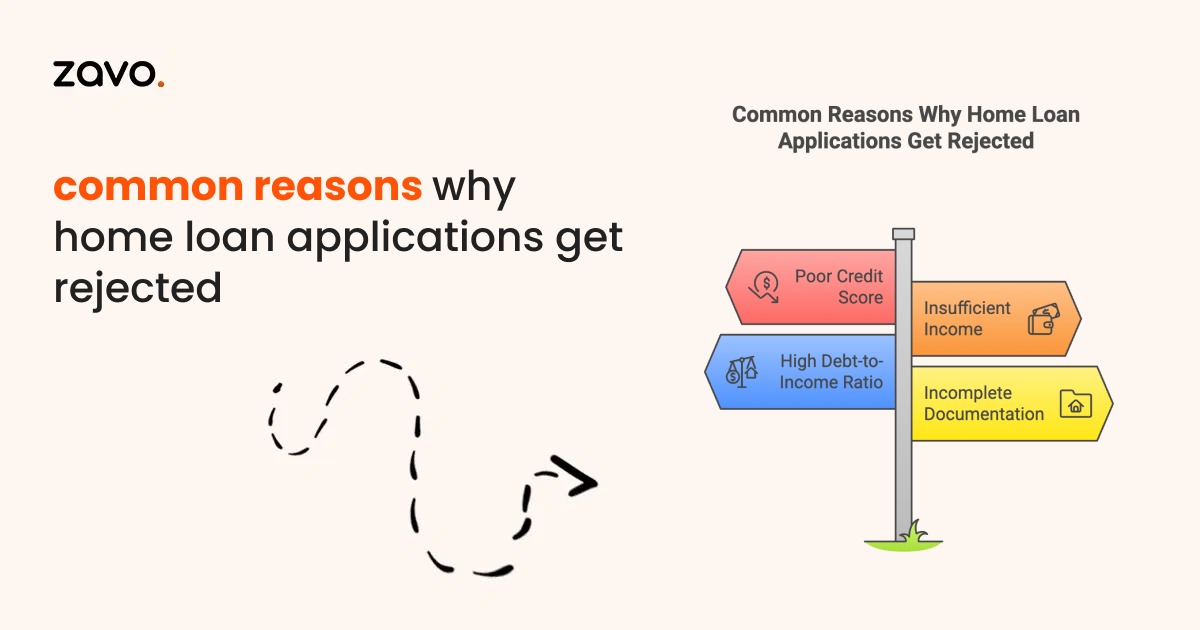
Table of contents12 sections
- 1. Poor Credit Score & Unpaid Dues
- 2. Too Many Existing Loans & High Debt Burden
- 3. Frequent Job Changes & Unstable Employment
- 4. Low Income or Mismatch in Income Proof
- 5. Blacklisted or Defaulter Address
- 6. Being a Loan Guarantor for Someone Else
- 7. Your Age & Retirement Nearing
- 8. Issues with the Property
- 9. A Previously Rejected Loan Application
- 10. Not Filing Income Tax Returns (ITR)
- Final Thoughts
- Frequently Asked Questions (FAQs)
Buying a home is a big dream, and securing a home loan is one of the most crucial steps in making that dream a reality.
But imagine going through the entire process, submitting all the paperwork, and then getting the dreaded "Your loan application has been rejected" message.
Frustrating, right?
The truth is, banks and financial institutions have strict criteria when it comes to approving home loans. Even small financial missteps or overlooked details can result in a rejection. The good news? Most of these issues can be fixed or avoided if you prepare in advance.
Let’s go through some of the most common reasons why home loans get rejected and what you can do to improve your chances of approval.

1. Poor Credit Score & Unpaid Dues
Your credit score (CIBIL score) is one of the first things banks check when you apply for a home loan. Think of it as your financial report card—it tells lenders how responsible you’ve been with your past loans and credit card payments. If your score is below 700, banks may see you as a risky borrower. Late credit card payments, missed EMIs, or defaulting on a loan can lower your score and lead to rejection.
What you can do: Always pay your bills on time, clear outstanding dues, and check your credit report regularly to correct any errors. If your credit score is low, spend a few months improving it before applying for a home loan. A score of 750 or above can help you secure better interest rates and faster approval.
2. Too Many Existing Loans & High Debt Burden
Imagine your salary is ₹1 lakh per month, but you’re already paying ₹50,000 in EMIs for a car loan, a personal loan, and credit card bills. That means half your income is already committed, and the bank may worry about whether you can handle another EMI for a home loan.
What you can do: Try to pay off smaller loans or credit card dues before applying for a home loan. Banks prefer if your Debt-to-Income (DTI) ratio is below 40%, meaning your total monthly EMIs shouldn’t be more than 40% of your salary.
3. Frequent Job Changes & Unstable Employment
Lenders love stability. If you’ve been switching jobs too frequently, banks may see you as financially unstable. Most lenders prefer applicants who have been in the same company for at least 2-3 years.
What you can do: If you’re thinking of changing jobs, try to wait until your home loan is approved. If you’ve already switched jobs, wait for at least six months before applying for a home loan to show stability.
4. Low Income or Mismatch in Income Proof
Your salary determines how much loan you can get. If your declared income is too low, banks may reject your loan because they believe you won’t be able to afford the EMIs. Similarly, if your salary slips and bank statements don’t match, it can raise red flags.
What you can do: If you earn additional income from freelancing, rental property, or bonuses, mention it in your loan application. Self-employed individuals should file proper Income Tax Returns (ITR) to show a steady income history. Make sure all documents, including bank statements and salary slips, are accurate and up to date.
5. Blacklisted or Defaulter Address
This one may surprise you. Sometimes, your loan can get rejected just because of your address. If you’re living in a property previously rented by someone who defaulted on their loans, banks might flag your application.
What you can do: If you suspect this could be an issue, check with the bank in advance or consider using your permanent address for the loan application.
6. Being a Loan Guarantor for Someone Else
Did you sign as a loan guarantor for a friend or relative? If they defaulted on their loan, banks may hold you responsible for repaying it. This can hurt your credit score and affect your chances of getting a home loan.
What you can do: Before becoming a guarantor, make sure the borrower has a strong repayment history. If you’ve already signed, check if they’ve been making payments on time.
7. Your Age & Retirement Nearing
Age matters when applying for a home loan. If you’re too young (below 25) with an unstable income or too close to retirement (above 55), banks might hesitate to approve your loan. They want to ensure you’ll have a steady income for the duration of the loan.
What you can do: If you’re young, applying with a co-borrower (like a parent or spouse) can improve approval chances. If you’re older, consider a shorter loan tenure or apply with a younger co-applicant.
8. Issues with the Property
Even if your financials are perfect, your loan can be rejected if the property has legal issues. Banks don’t lend money for homes that have:
- Disputed ownership
- Unapproved building plans
- Poor resale value
- Unregistered builders
What you can do: Always buy from reputed builders and check that the property has clear legal documents and approvals. Before applying for a home loan, verify the title deed, building approvals, and resale value to ensure the bank will approve the loan.
9. A Previously Rejected Loan Application
If your home loan application was rejected before, it gets recorded in your CIBIL history. Banks may hesitate to approve your loan the next time unless you’ve fixed the reason for the initial rejection.
What you can do: Don’t apply for multiple loans in a short span. If your loan was rejected, find out why, fix the issue, and then reapply after a few months.
10. Not Filing Income Tax Returns (ITR)
For salaried employees, banks check Form 16 as proof of income. But if you’re self employed or a freelancer, lenders require at least two years of ITR filings to verify your financial stability. If you haven’t been filing taxes, your loan could be rejected.
What you can do: Ensure you file ITR every year, even if your employer provides Form 16. If you’re self-employed, maintain proper financial records and tax filings.
Final Thoughts
Getting your home loan approved isn’t just about having a good salary. It’s about showing banks that you’re a responsible borrower. Maintaining a high credit score, reducing debt, keeping a stable job, and selecting a legally approved property can significantly boost your chances of getting your dream home loan.
If you’re planning to apply, take some time to fix any financial issues, get your documents in order, and check your credit score. By being well prepared, you can avoid unnecessary rejections and make the process smooth and stress free.
Looking for an instant loan? Let zavo help you!
✔️ Instant Loan Eligibility Check
✔️ Lowest Interest Rates
✔️ Quick Approval with Minimal Documentation
Frequently Asked Questions (FAQs)
1. What is the minimum credit score needed for a home loan?
A CIBIL score of 750+ increases your chances of approval. If your score is below 700, you may face rejection or be offered a higher interest rate.
2. Can I get a home loan if I already have existing loans?
Yes, but lenders check your Debt to Income (DTI) ratio. If more than 40% of your income is already going toward EMIs, your loan may be rejected. Paying off smaller loans can improve your chances.
3. How can I improve my chances of home loan approval?
Ensure you have a high credit score, stable income, and a low debt burden. Also, avoid frequent job changes and choose a legally verified property to avoid complications.
4. Can my home loan be rejected due to my job type or company?
Yes, lenders prefer applicants with stable employment. If you’ve switched jobs frequently or work in a financially unstable company, your loan may be at risk of rejection.
5. How does my age affect home loan approval?
Banks prefer applicants aged 25-55 years for long-term home loans. If you’re too young with an unstable income or too close to retirement, lenders may hesitate to approve your loan. Applying with a co-applicant can help.