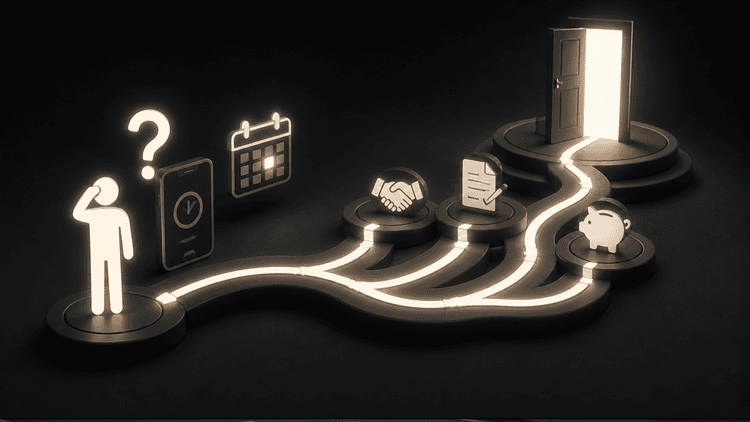
You’re staring at your bank app, doing the maths again and again. Salary is delayed. Rent is due. Credit card bill, personal loan, education loan, all waiting quietly in “Upcoming Payments.” You know you can’t pay EMI on time this month, maybe not even the next. And with multiple EMI piling up, the stress feels louder than the reminder calls.
If this sounds familiar, you’re not alone. A large number of young earners and middle-income families in India struggle with EMI burden due to sudden job loss, medical emergencies, business slowdowns or high-interest credit cards. Missing EMIs doesn’t just lead to penalties. It affects your credit score, future loan approvals and mental health.
This step-by-step guide will walk you through what to do when you can’t pay EMI, how to take control of multiple EMI situations and smart ways to start your EMI management journey without losing your peace of mind.
Step 1: Accept the Situation, Don’t Ignore It
The worst thing you can do when you’re unable to pay EMI is to stay silent. Ignoring reminder messages or switching off your phone only delays the problem. It doesn’t solve it.
Most people, out of fear, avoid answering calls. But lenders see silence as unwillingness to pay, not inability. This can lead to more frequent follow-ups, higher penalties or legal notices in severe cases.
Why this matters for EMI management:
- Missing one EMI can reduce your credit score by 50 to 100 points.
- Repeated defaults affect your loan repayment history for up to 7 years.
-Communication shows honesty and banks often respond better.
So the first step in handling multiple EMI pressure is to accept the EMI burden and prepare to act, not react.
Step 2: List All Loans and Prioritize Wisely
When you can’t pay EMI, things feel jumbled. So put everything on paper or a spreadsheet.
Write down:
- Type of loan (home, credit card, personal loan etc.)
- EMI amount
- Interest rate
- Due date
- Remaining tenure

Step 3: Cut Non-Essential Expenses, But Smartly
Before asking for EMI relief, look at your spending. This isn’t about stopping your life. It’s about survival.
Pause or reduce:
- Subscriptions (OTT apps, gym, premium music)
- Dining out or online food orders
- Unnecessary travel or shopping
Even saving ₹2,000 to ₹5,000 a month can help when you’re unable to pay EMI. Redirect this amount to the most urgent multiple EMI.
Step 4: Talk to Your Bank and Request Restructuring or EMI Relief
Banks don’t want you to default. They want recovery. If you’re genuinely unable to pay EMI due to income loss, medical emergency or any unexpected situation, you can request:
- EMI moratorium (pause EMIs for 1 to 3 months)
- EMI skip option (only for eligible users with good repayment history)
- Loan restructuring (extend tenure and reduce EMI amount)
- Interest-only period (pay interest for a few months and principal later)
Use terms like:
“I’m facing loan repayment stress.”
“I need EMI relief temporarily.”
“Can I restructure my multiple EMI payments?”
Most lenders check your credit score impact, past repayment behaviour and reason for request. So be honest. Provide clear documents if required.
Step 5: Create an Emergency EMI Management Plan
When you’re unable to pay EMI, having an emergency fund or backup plan is important. But what if you don’t have one?

Step 6: Look for Additional Income Sources
Sometimes, reducing expenses isn't enough to handle multiple EMI stress. In this case, earning a little extra makes a real difference.
Practical ideas:
- Freelance work (content writing, designing or translation)
- Weekend tutoring or online teaching
- Renting unused items (camera, vehicle, equipment)
- Selling unused gadgets or clothes online
Even ₹5,000 to ₹10,000 extra can help reduce EMI burden and show lenders you’re serious about EMI management.
Step 7: Avoid Taking New Loans to Pay Old Ones
One of the biggest mistakes people make when they can’t pay EMI is taking another loan to cover it. This is a band-aid, not a solution.
Avoid:
- Payday apps with high interest
- Borrowing from credit cards to pay other EMIs
- Using gold loans without a repayment plan
It’s like pouring water into a leaking bucket. You feel relief for a moment, but the debt management pressure returns double.
Step 8: Use Professional Help If Needed
If things feel out of control and your multiple EMI situation is affecting your mental health or leading to harassment calls, seek guidance.
You can speak to:
- Certified financial planners
- Legal advisors if banks are threatening legal action
- EMI relief platforms like Zavo Nexus
- Pre-default assistance services or EMI relief options
These solutions help restructure EMIs, provide EMI skip options or offer early intervention before default.
Conclusion: It’s Not the End, Just a Phase You Can Manage
Being unable to pay EMI doesn’t make you irresponsible; it makes you human. What matters is what you do next. Whether it’s asking your bank for help, restructuring payments, or finding smarter ways to manage multiple EMIs, there’s always a way forward.
The goal is to stay proactive, not panic. Small steps like tracking your expenses, communicating early, and using tools like Zavo Nexus to manage or pause EMIs can make a real difference when things feel uncertain.
Your credit score can recover with time, your finances can stabilise, and peace of mind can return as long as you choose to act early and stay consistent with your EMI management.
Frequently Asked Questions (FAQs)
1. What should I do first when I can’t pay EMI on time?
Start by listing all your loans and informing your bank. Ignoring calls increases penalties and credit score impact. Communicate honestly and request EMI relief or restructuring.
2. Can I stop paying EMI for a few months?
Yes, but only legally through an EMI moratorium or EMI skip option. Never skip payments silently. Ask your lender and mention your reason clearly.
3. How does missing multiple EMI affect my credit score?
Missing one or two EMIs can drop your credit score by 50 to 100 points. Consistent defaults stay in credit history for up to seven years and affect future loan approvals.
4. What is the best way to handle multiple EMI with low income?
Prioritise essential EMIs like home or car, ask for restructuring, reduce lifestyle expenses and try earning extra income. This helps reduce loan repayment stress.
5. Is it okay to take another loan to pay existing EMIs?
Not recommended. This increases EMI burden and debt management pressure. Instead, ask for EMI relief or restructure your existing loan.