27 January 2025 · Aditi sharma
Understanding the Difference Between Good Debt and Bad Debt
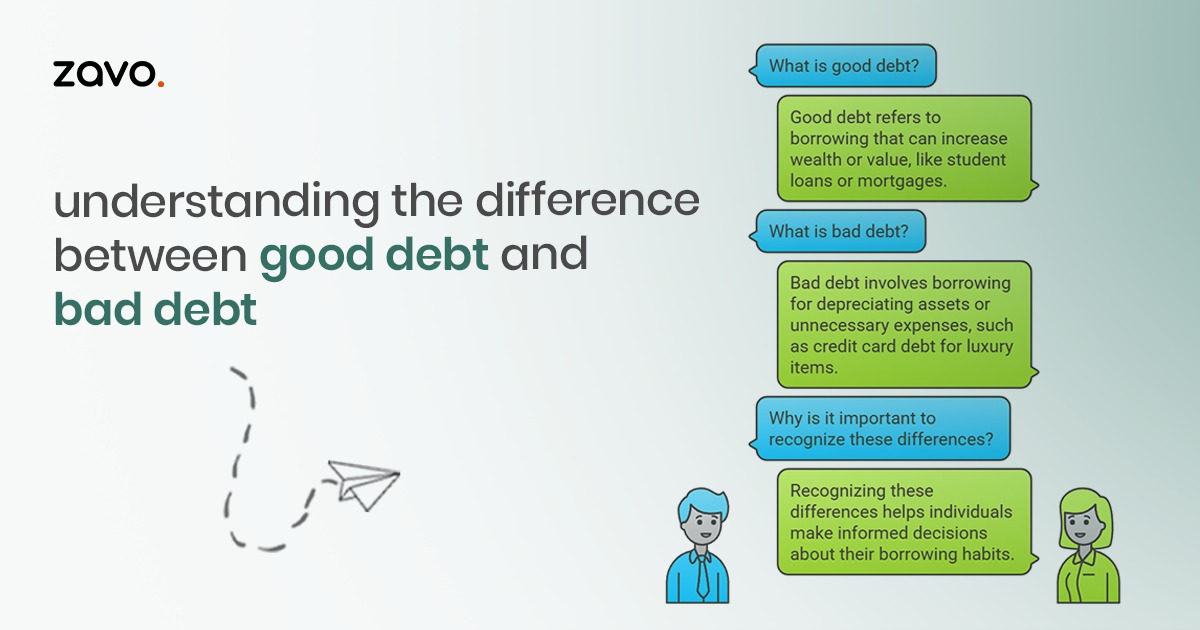
Table of contents8 sections
Debt—a word that can evoke fear and stress or represent an opportunity to grow wealth and achieve your dreams.
What if the key to mastering your finances lies in how you approach debt? Not all debt is created equal. In fact, some debts can open doors to financial growth, while others may hold you back.
So, how can you tell the difference between "good" and "bad" debt? Understanding this difference is critical for your financial well-being.
In this blog, we’ll explore the nuances of debt, offer tips for managing it effectively, and help you create a pathway to financial freedom.
What Is Debt Management?
Debt management is organizing and planning your debt repayments to regain financial control. This can be done independently or with the assistance of a credit counsellor. A credit counsellor negotiates with your lenders to reduce interest rates and consolidate your payments into one manageable monthly amount. This often becomes part of a structured Debt Management Plan (DMP) tailored to help you repay your balances systematically.
What Is Good Debt?
Good debt refers to borrowing money for investments that lead to long-term growth, financial gain, or personal advancement. It’s the type of debt that works for you—not against you. Good debt has the potential to increase your wealth, enhance your quality of life, or create a more secure financial future.
Examples of Good Debt:
1. Mortgages: Mortgages are often considered a prime example of good debt because they help you build long-term wealth while providing housing stability. When you take out a mortgage, you’re investing in real estate—an asset that tends to appreciate over time. As you pay down your loan, you’re also building equity in your property, which can be leveraged in the future for other financial goals.
Homeownership may also provide tax benefits, including deductions on mortgage interest and property taxes. However, it’s crucial to ensure that your mortgage fits within your budget to avoid financial strain. Taking the time to compare interest rates and loan terms can make a big difference in how manageable your payments are over time.
2. Student Loans: Education is often a gateway to better career opportunities and higher earning potential, making student loans another example of good debt. With the right education, you can significantly increase your lifetime earnings. Federal student loans usually offer lower interest rates and flexible repayment options compared to private loans, making them a smarter borrowing choice.
However, it’s important to consider the return on investment for your chosen field of study. Some degrees lead to high-paying careers, while others may not justify the debt incurred. Careful planning and a realistic approach to student loans can ensure they remain an asset rather than a burden.
3. Business Loans: Taking out a loan to start or grow a business can be a strategic move toward financial independence. Business loans allow entrepreneurs to invest in equipment, hire staff, or expand operations. When managed well, these loans can lead to significant returns, such as increased revenue and market share.
However, the key to making business loans "good debt" is a solid business plan and realistic revenue projections. Borrowing without a clear path to repayment can turn this opportunity into a liability, so it’s essential to proceed with caution.
4. Interest-Free or Low-Interest Loans: Loans with no interest or low-interest rates can be a financially savvy way to make necessary purchases or improvements. For instance, many programs offer interest-free loans for energy-efficient home upgrades, which can lower utility costs in the long run.
Similarly, down payment assistance programs may provide affordable loans to first-time homebuyers. These loans are often tied to specific purposes and come with favorable terms, making them a good financial choice.
What Is Bad Debt?
Bad debt, on the other hand, is money borrowed for expenses that do not provide long-term value. It often involves high interest rates, depreciating assets, or discretionary spending. Bad debt can drain your resources, limit your options, and negatively impact your financial health.
For example, Indian Overseas Bank recently received 10 expressions of interest for selling off bad loans, illustrating how institutions also face challenges in managing bad debt effectively. It often involves high interest rates, depreciating assets, or discretionary spending. Bad debt can drain your resources, limit your options, and negatively impact your financial health.
How to Evaluate Debt Before You Borrow
Before taking on any form of debt, it’s important to pause and assess its real impact on your finances. Ask yourself a few practical questions: Will this debt help increase my income, skills, or assets over time? Can I comfortably afford the repayments even if my income fluctuates? What is the total cost of borrowing, including interest and fees? Evaluating debt upfront helps you avoid emotional or impulse-based decisions and ensures borrowing aligns with your long-term financial goals. A simple rule of thumb is to borrow with a clear repayment plan and a clear purpose—if neither exists, the debt may do more harm than good.
Examples of Bad Debt:
1. Credit Card Debt: Credit card debt is one of the most expensive forms of borrowing due to its high-interest rates. When balances are not paid off in full each month, interest charges can accumulate quickly, making it challenging to get out of debt.
Moreover, carrying large credit card balances negatively impacts your credit score, which can affect your ability to secure favorable loans in the future. It’s essential to use credit cards strategically—for convenience and rewards—and always pay the full balance to avoid interest.
2. Payday Loans: Payday loans are short-term loans designed to bridge financial gaps until your next paycheck. While they may seem like a quick fix, these loans often come with exorbitant fees and interest rates, trapping borrowers in a cycle of debt.
The high cost of payday loans can quickly outweigh the benefits, making them one of the worst forms of bad debt. Avoiding payday loans by building an emergency fund is a far better financial strategy.
3. Loans for Depreciating Assets: Borrowing to purchase items like boats, luxury cars, or high-end electronics is rarely a sound financial decision. These items lose value quickly, leaving you with ongoing debt for something worth far less than what you paid. Instead, consider saving up for such purchases to avoid the financial pitfalls associated with bad debt.
4. Debt for Discretionary Spending: Vacations, hobbies, and other non-essential expenses should ideally be paid for with savings rather than borrowed money. Financing discretionary spending with high-interest loans or credit cards can lead to long-term financial strain. It’s always better to plan and save for these expenses to avoid falling into the trap of bad debt.
The Gray Area: Somewhere-in-the-Middle Debt
Not all debt fits neatly into the good or bad category. Some debt lies in a gray area, depending on how it’s managed.
Examples:
1. Credit Cards Used Strategically: When used wisely and paid off in full each month, credit cards can be a powerful financial tool. They help you build credit, earn rewards, and manage cash flow without incurring interest charges. However, the misuse of credit cards—such as carrying high balances or missing payments—can quickly turn them into bad debt.
2. Buy Now, Pay Later (BNPL): BNPL plans offer an interest-free way to spread out payments for major purchases. However, overusing these plans or failing to make timely payments can lead to fees and financial stress. Moderation and careful planning are key to making BNPL a helpful tool rather than a liability.
3. Car Loans: Financing a vehicle can be necessary for reliable transportation, making it a practical form of debt. However, choosing a car loan with high-interest rates or financing a luxury vehicle beyond your means can quickly turn this debt into a burden. Opting for a modest, fuel-efficient car and securing favorable loan terms can help you stay on solid financial ground.
A Real-Life Example
Aman, Priya, and Kabir were debating a trip to Manali. Priya and Aman had saved up, but Kabir, still interning, couldn’t afford it. Aman offered to cover Kabir’s ticket with his credit card, but Kabir hesitated, unsure about repaying soon.
Just then, Ravi, their financially savvy neighbor, passed by. “Credit cards can be tricky,” Ravi explained. “Good debt, like a student loan for Kabir’s MBA, helps build your future. But using a credit card for a vacation can become expensive if you don’t repay immediately, thanks to high interest rates.”
He added, “Ask yourself: Does the debt save or earn money, or increase your net worth? If not, it’s probably bad debt. Instead of borrowing for non-essentials, Kabir, why not start a holiday fund? Save up, or consider a more affordable trip.”
Taking Ravi’s advice, they agreed to plan a smarter, more budget-friendly getaway.
Conclusion
Debt can either propel you toward financial success or hold you back, depending on how you manage it. Understanding the difference between good and bad debt, as well as navigating the gray areas, is critical to maintaining financial health.
To take control of your financial future, start using zavo’s suite of tools and resources. From budgeting templates and debt calculators to credit monitoring and savings challenges, zavo offers everything you need to make informed decisions and achieve your goals. Whether you’re looking to eliminate bad debt or leverage good debt for growth, zavo is here to guide you every step of the way. Start your journey to financial freedom today with zavo!