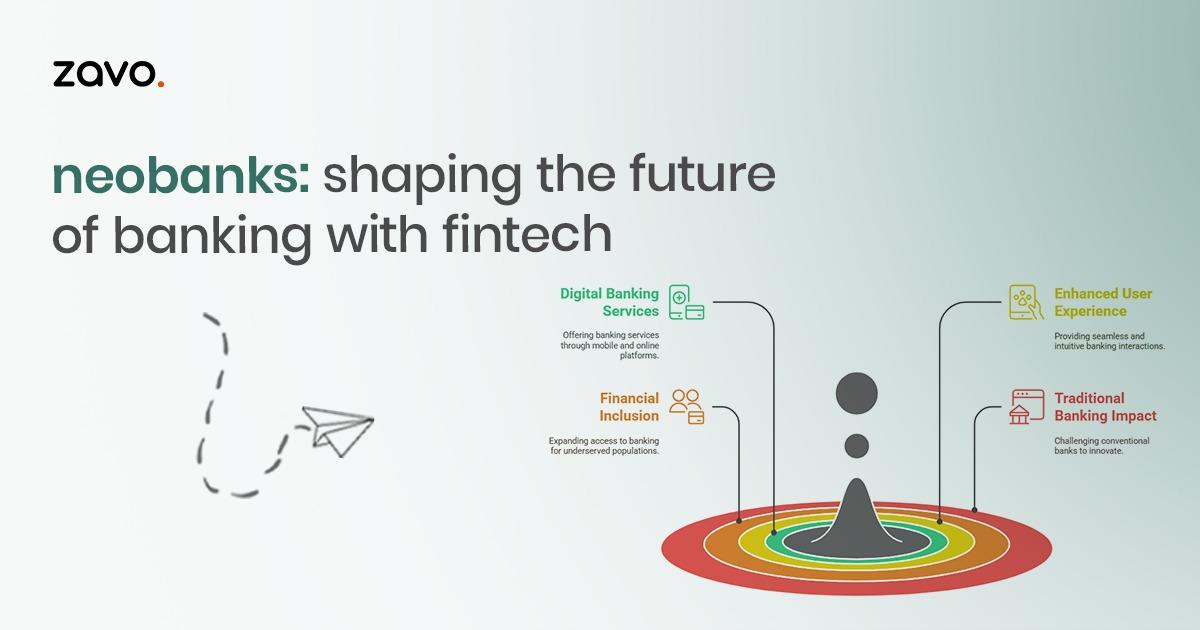
What if your entire banking experience could fit into your pocket, offering unparalleled convenience, lower costs, and innovative solutions?
This is the promise of digital-first banks revolutionizing the financial industry. With their ability to deliver seamless and technology-driven financial services, these platforms are redefining the way individuals and businesses manage their money.
In this comprehensive blog, we will explore why digital-first banking solutions are the future, their business models, and how you can successfully build one.
What Are Digital-First Banks and Why Are They So Popular?
Digital-first banks, often referred to as challenger banks, are entirely online banking platforms that operate without the traditional infrastructure of physical branches. They address the inefficiencies and limitations of traditional banks by focusing on user-friendly, innovative, and customer-centric solutions. These platforms thrive on technology, offering services that are not only more affordable but also better tailored to the needs of modern consumers.
One of the primary reasons behind their popularity, especially among Gen Z and millennials, is their ability to align with the digital-first lifestyles of these tech-savvy generations. Digital-first banks are built to cater to the preferences of users who expect instant, efficient, and accessible financial services at their fingertips.
The Rise of Digital-First Banking: By the Numbers
The growth of these platforms has been nothing short of phenomenal. Here are some statistics that highlight their rapid ascent:
1. Global Customer Base: In just three years, the number of users has skyrocketed from 2 million to 15 million.
2. Market Growth: The global digital banking market is expanding at an impressive CAGR of over 47%, with projections indicating it will reach $722.60 billion by 2028
3. Number of Platforms: The number of such banking platforms worldwide has grown from around 70 to over 250.
These figures underscore the immense potential and demand for digital-first banking in the financial ecosystem.

What Makes Digital-First Banks Attractive?
These platforms offer a range of features and benefits that make them stand out in the crowded financial sector:
1. Comprehensive Services: From savings and current accounts to debit and credit cards, digital money transfers, payment solutions, and lending services, they provide a one-stop solution for banking needs.
2. Technological Edge: By leveraging advanced technologies like artificial intelligence (AI), automation, and cloud computing, these banks deliver highly efficient and personalized experiences.
3. Convenience: The absence of physical branches allows users to access banking services anytime, anywhere. This level of accessibility is a significant advantage in today's fast-paced world.
4. Cost Efficiency: They often have lower operational costs, enabling them to offer more competitive fees and better interest rates than traditional banks.
These advantages have positioned digital-first banks as a disruptive force, challenging traditional banks by addressing gaps in their services and appealing to underserved segments.
Do Digital-First Banks Need Collaborations with Physical Banks?
In many countries, including India, regulatory frameworks prevent these platforms from holding full banking licenses. As a result, they operate in partnership with traditional banks that are licensed and regulated by central authorities like the Reserve Bank of India (RBI). These collaborations enable digital-first platforms to offer essential financial services while adhering to regulatory requirements.
Key Partners in India:
To operate effectively, these platforms partner with established banks such as:
1. State Bank of India (SBI)
2. ICICI Bank
3. Axis Bank
4. Kotak Mahindra Bank
5. HDFC Bank
6. Federal Bank
These partnerships form the backbone of their operations, allowing them to combine the reliability of traditional banking systems with the innovation of digital solutions.
How Do Digital-First Banks Earn?
These platforms employ innovative revenue models to sustain their operations and drive growth. Here are some of the key revenue streams:
1. Credit-led Model:This refers to a revenue model where the primary income is derived from lending money to customers through loans, credit cards, or other credit products. The organization charges interest on the borrowed amount, which serves as its main source of revenue. For example, banks, credit unions, or fintech companies often use this model to grow their earnings by leveraging the creditworthiness of customers.
2. Asset-led Model: This model focuses on managing customer funds, such as deposits and investments. The income is generated from the interest differential between what the institution pays customers for deposits (e.g., savings account interest) and what it earns by investing or lending those funds. Additionally, revenue can come from investment management fees or profits from financial instruments.
3. Interchange Fees: Interchange fees are small percentages of transaction amounts that financial institutions earn when customers use debit or credit cards for purchases. Whenever a customer swipes a card at a merchant, the merchant pays a fee, a portion of which is allocated to the issuing bank or institution. This is a common revenue stream for payment processors and card-issuing banks.
4. Ecosystem Services: In this model, the institution partners with third-party providers to offer complementary products or services, such as insurance, wealth management, or investment platforms. The revenue can come from referral fees, commissions, or revenue-sharing agreements. These partnerships enhance the customer experience while providing the institution with additional income streams.
5. Product Extensions: This involves creating additional value for customers by offering premium services, such as higher-tier accounts, subscription plans, or advanced features like budgeting tools, financial advice, or enhanced security. Customers pay for these extras, creating a steady revenue stream while fostering customer loyalty.
This diverse range of revenue streams ensures financial sustainability and enables these platforms to scale their operations effectively.
Building a Digital-First Bank
Building a digital-first bank requires a strategic approach, a deep understanding of customer needs, and adherence to regulatory requirements. There are two primary types of digital-first banks:
1. Full-stack Banks: Operate independently with their own banking licenses, providing end-to-end services.
2. Front-end Platforms: Partner with licensed banks to offer customer-facing services, focusing on the user experience.
In India, where regulatory constraints limit the scope of full-stack operations, front-end models are more prevalent. Let’s delve into the key components of building a front-end platform:
Core Features of Front-End Digital Banks:
1. No Banking License: This approach involves operating without a traditional banking license by forming partnerships with established, licensed banks. These partnerships allow an organization, such as a fintech company or neobank, to offer financial services like savings accounts, loans, or payment processing under the umbrella of the partner bank's regulatory compliance. This model is popular among startups because it avoids the time, complexity, and costs associated with acquiring a banking license while still enabling them to deliver banking services.
Example: Many fintechs collaborate with banks to "embed" banking services into their platforms, allowing them to focus on innovation and customer acquisition
2. Focus on User Experience: This strategy prioritizes creating intuitive, visually appealing, and user-friendly digital interfaces. Superior customer experience (CX) often involves mobile-first designs, easy account setup, seamless navigation, personalized features, and responsive customer support. By delivering an exceptional user experience, companies can differentiate themselves, attract customers, and build loyalty in an increasingly competitive financial market.
Example: Neobanks and fintech apps like Revolut or Chime are known for their smooth onboarding processes, real-time notifications, and simplified interfaces
3. Technology-driven Solutions: Instead of building proprietary systems, companies adopt off-the-shelf or third-party Core Banking Systems (CBS) to manage essential banking functions like account management, transaction processing, and compliance. These solutions are scalable, faster to deploy, and often cost-effective. Leveraging modern technology enables businesses to focus on customer-facing innovations while relying on established back-end infrastructure.
Example: Using cloud-based CBS providers like Mambu or Temenos allows fintech companies to quickly implement banking solutions.
4. Support for B2C and B2B: Operating across both Business-to-Consumer (B2C) and Business-to-Business (B2B) markets broadens the customer base and diversifies revenue streams. For B2C, services might include personal accounts, mobile wallets, or personal loans, while B2B services could involve payroll management, corporate expense solutions, or tailored lending products for businesses. This dual focus can make a company more resilient to market fluctuations and better positioned for growth.
Example: A company might offer payment gateways for SMBs (B2B) while also providing digital wallets for individuals (B2C).
5. Niche Targeting: Focusing on specific customer segments allows companies to tailor their services to meet the unique needs of a particular group, such as millennials, small and medium-sized businesses (SMBs), or entrepreneurs. By honing in on underserved or specialized markets, companies can create stronger value propositions, build loyal customer bases, and face less competition compared to trying to serve everyone.
Examples:
- Millennials: Apps with gamified savings or cryptocurrency integration.
- SMBs: Tools for cash flow management, invoicing, or quick business loans.
- Entrepreneurs: Services like startup banking or funding platforms.
This focused strategy ensures the offering is aligned with the priorities, preferences, and pain points of the targeted audience.
India’s Leading Digital-First Banks
Several digital banking platforms are leading the charge in India, setting benchmarks for innovation and customer satisfaction. Examples include:
1. Jupiter
2. Niyo
3. RazorpayX
4. Fi Money
5. Open
6. Mahila Money
7. FamPay
8. Zolve
These platforms demonstrate how a strong focus on customer-centric solutions and strategic partnerships can lead to success in a competitive market.
Conclusion
Digital-first banks represent the future of banking, offering unparalleled convenience, innovation, and cost-effectiveness. By addressing the unique needs of digital-first consumers and leveraging partnerships with traditional banks, these platforms are redefining the financial landscape. For entrepreneurs and businesses, building a digital-first bank presents an exciting opportunity to tap into a rapidly growing market. Success, however, hinges on understanding customer needs, embracing technological advancements, and adhering to regulatory frameworks.
FAQs
1.What are digital-first banks, and how do they differ from traditional banks?
Digital-first banks are online banking platforms that operate without physical branches. Unlike traditional banks, they focus on technology-driven solutions, offering seamless and cost-effective financial services through user-friendly apps and interfaces.
2. What are the key benefits of using a digital-first bank?
Digital-first banks provide convenience, lower fees, competitive interest rates, personalized financial services, and 24/7 accessibility. They leverage advanced technologies like AI and automation to enhance the banking experience.
3. Do digital-first banks hold full banking licenses?
Digital-first banks often don’t hold full banking licenses in many countries, including India. Instead, they collaborate with licensed traditional banks to offer financial services while complying with regulatory requirements.
4. How do digital-first banks earn revenue?
Digital-first banks generate revenue through models such as interest on loans, transaction fees, subscription services, and partnerships with third-party providers for services like insurance or investments.
5. Are digital-first banks secure and reliable?
Yes, digital-first banks prioritize security by employing advanced encryption, multi-factor authentication, and regulatory compliance. Their partnerships with established traditional banks also add a layer of reliability.