
14 February 2025 · Aditi sharma
Home Loan Prepayment: Should You Pay Off Your Loan Early?
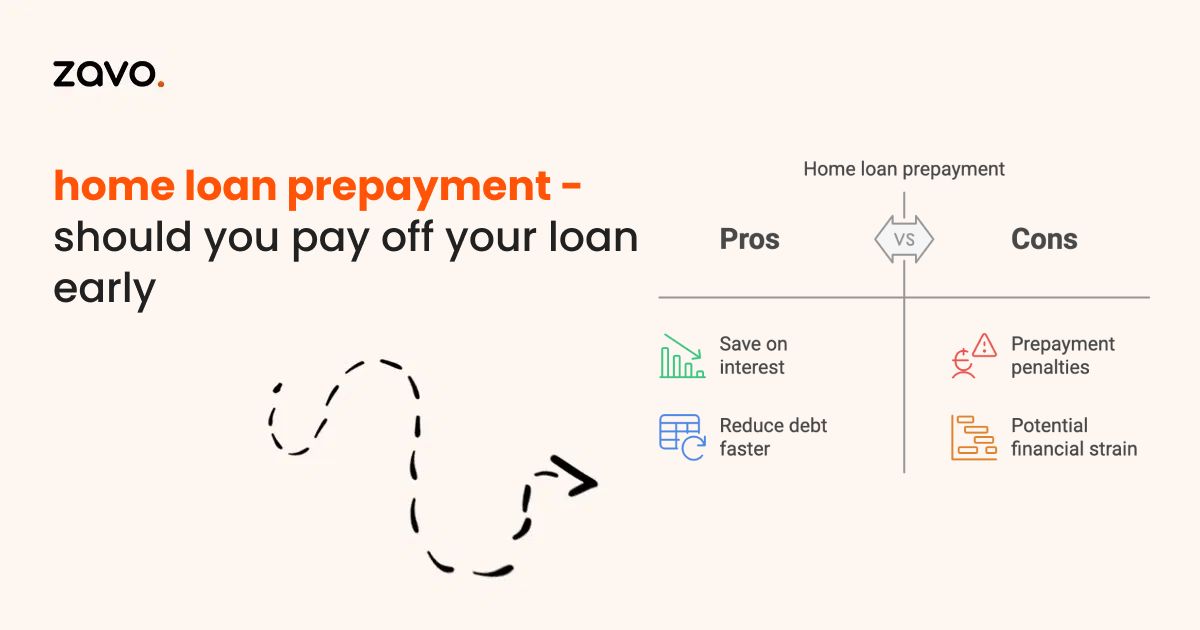
Table of contents6 sections
You’ve been paying your home loan EMIs diligently for years, but every time you check your loan statement, it feels like the outstanding balance is barely reducing.
You’re not alone!
Home loans, with their long tenures, are structured so that in the early years, most of your EMI goes towards interest rather than the principal. That’s where prepayment comes in a financial hack that can help you save lakhs in interest and become debt free sooner.
But should you use your hard earned savings to prepay your loan? Or would that money be better invested elsewhere? Let’s break it down so you can make the smartest financial move for your future.
What is Home Loan Prepayment?
Home loan prepayment means paying off a portion (or the entire loan) before the tenure ends. If you come into extra money. A salary bonus, inheritance, investment returns, or business profits. You might consider putting it toward your home loan to reduce the principal amount. This, in turn, lowers the total interest you pay over time and can even shorten your loan tenure.
While most lenders allow prepayment, some charge a fee for it, especially for fixed rate loans. If your loan is on a floating interest rate, RBI regulations prohibit lenders from charging prepayment penalties.
Things to Consider Before Prepaying Your Home Loan
Do You Have Enough Emergency Savings?
Before making a lump sum prepayment, pause and ask yourself: If I use this money to pay off my loan, will I still have enough funds for emergencies?
A medical emergency, job loss, or urgent expenses could arise when you least expect them. Ideally, you should have at least 6-12 months of living expenses set aside before making a big prepayment.
Prepay Early for Maximum Interest Savings
In the early years, the interest portion is heavier, while the principal repayment is minimal.
As time passes, this gradually flips. This means prepaying early in the tenure saves you the most on interest costs. If you are 10-15 years into a 20 year loan, the savings may not be as significant, and you might be better off investing your money elsewhere for higher returns.
Are You Willing to Give Up Tax Benefits?
Home loan borrowers enjoy tax benefits under the Indian Income Tax Act:
- Section 80C: Deduction of up to ₹1.5 lakh per year on principal repayment.
- Section 24(b): Deduction of up to ₹2 lakh per year on interest paid.
If you prepay the full amount, you lose out on these tax benefits. If you make only a partial prepayment, your remaining loan balance determines the future tax deduction. Make sure to factor this into your decision before making a lump sum payment.
Check for Prepayment Charges
Lenders love collecting interest, so some of them charge prepayment fees to discourage borrowers from closing loans early. Here’s what you need to check:
- Floating Rate Loans: As per RBI rules, no prepayment charges apply.
- Fixed Rate Loans: Charges vary by lender, usually 1% to 3% of the prepayment amount.
Use a prepayment calculator to compare the savings from lower interest against any prepayment fees. If the fees are too high, it may not be worth it.
Benefits of Home Loan Prepayment

Save a Fortune on Interest
Imagine this: You have a ₹50 lakh home loan at 8% interest for 20 years. If you make a ₹5 lakh prepayment in the first five years, you could save lakhs in interest and close your loan years earlier.
The earlier you prepay, the bigger the savings, so if you get a bonus or salary hike, consider using a portion of it to wipe out some of your loan.
Free Up Your Monthly Income
Without a hefty EMI eating up your salary every month, you’ll have more financial freedom.
Whether it’s investing, traveling, or funding your child’s education, paying off your home loan early reduces financial stress and increases disposable income.
Boost Your Loan Eligibility for Future Borrowing
If you’re planning to take another loan, be it for a car, business, or personal needs.
Having a home loan reduces your borrowing capacity.
Banks assess your debt to income ratio, and a large outstanding home loan can impact your ability to secure another loan at favorable terms. By prepaying, you clear your liabilities faster, making it easier to borrow when needed.
Should You Prepay or Invest?
Here’s the million dollar question: Is prepayment always the best option? Or would you be better off investing that money elsewhere?
- If your home loan interest rate is higher than the potential return on investments, prepayment makes sense.
- If your investments (stocks, mutual funds, FDs) yield higher returns than your loan interest, it’s better to invest.
For example, if your home loan interest rate is 7% per annum and mutual funds offer an average return of 12%, investing might be the smarter move. However, if you’re someone who values financial security over returns, prepaying can bring peace of mind.
Final Thoughts
Home loan prepayment can be a powerful tool to save money and gain financial freedom faster, but it’s not a one size fits all decision.
Before prepaying, ensure you have adequate emergency funds, consider tax benefits, check for penalties, and compare it against investment opportunities.
Prepaying ₹9 lakh on your home loan can slash your tenure by 9 years. But is it the right move for you? If reducing debt and achieving financial security are your priorities, early repayment makes sense. However, if wealth creation is your goal, investing those funds might yield better returns. The key lies in striking the right balance based on your long-term financial objectives.
Looking for the best home loan options? Let zavo help you!
✔️ Instant Loan Eligibility Check
✔️ Lowest Interest Rates
✔️ Quick Approval with Minimal Documentation
Frequently Asked Questions (FAQs)
1. Is it good to prepay a home loan early?
Yes, especially in the early years of your loan when interest payments are highest. Prepaying reduces your overall interest burden and can shorten your loan tenure significantly.
2. Can I prepay my home loan anytime?
It depends on your lender. Floating-rate loans have no restrictions, but fixed-rate loans may have lock-in periods and prepayment charges.
3. How much should I prepay to see a difference in my EMI?
Even 5-10% of the outstanding loan amount can lead to significant savings. Use a home loan prepayment calculator to check the impact.
4. Do I lose tax benefits if I prepay my home loan?
Yes, prepayment reduces the interest and principal repayment, which may lower your tax deductions under Section 80C and 24(b).
5. Is it better to invest surplus funds or prepay a home loan?
Compare your home loan interest rate with potential investment returns. If your investments can yield higher returns than your loan interest rate, investing might be a smarter choice.