
1 February 2025 · Aditi sharma
Credit Card Fraud Protection: Tips to Keep Your Finances Safe
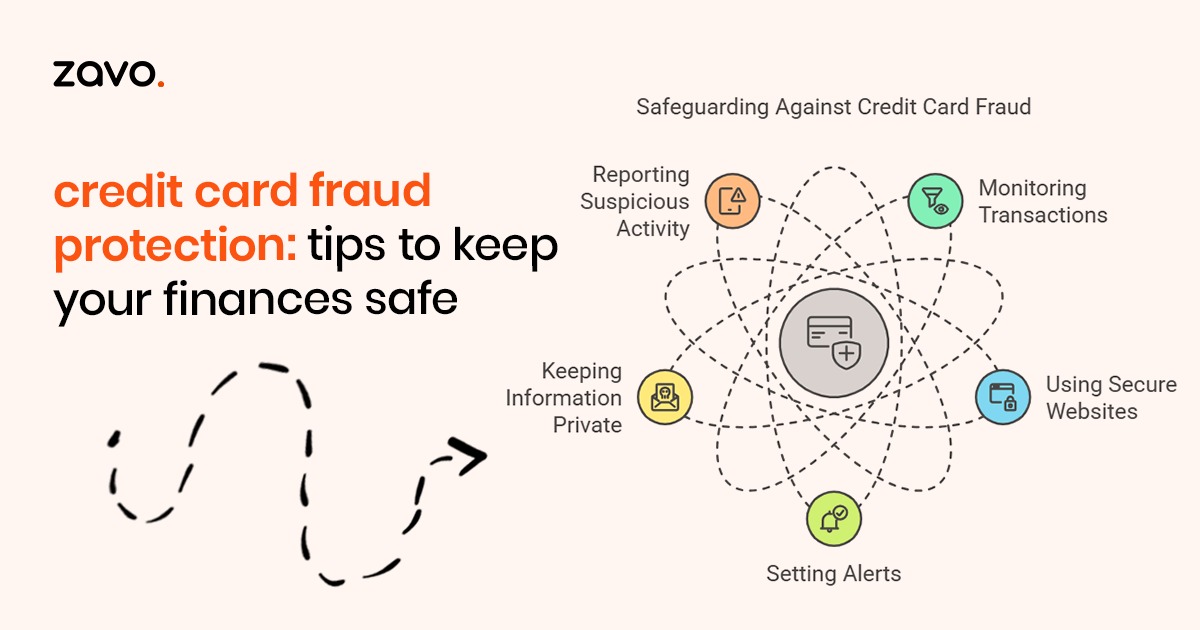
Table of contents11 sections
- 1. Keep Your Credit Card Secure at All Times
- 2. Monitor Your Credit Card Transactions Regularly
- 3. Avoid Paper Trails of Your Credit Card Information
- 4. Never Make Credit Card Information Public
- 5. Double-Check Your Online Transactions
- 6. Report Lost or Stolen Cards Immediately
- 7. Strengthen Your Password Security
- 8. Prevent Credit Card Skimming and Cloning
- 9. Secure Your Finances Today: Take Proactive Measures Against Fraud
- Conclusion
- Credit card fraud is a growing concern in today’s digital era, with fraudsters constantly developing new ways to steal sensitive financial information. While banks and financial institutions are implementing advanced security measures, the ultimate responsibility for protecting your credit card lies with you, the user.
With the increasing reliance on plastic money and digital transactions, credit card fraud has become a serious concern for individuals and financial institutions alike.
While technological advancements have made transactions more convenient, they have also opened doors to new forms of fraud, including card theft, account takeovers, counterfeiting, and phishing scams.
In 2021 alone, global credit card fraud losses totaled $32.04 billion, with projections indicating that this figure may rise to $38.5 billion by 2027. Despite banks implementing multiple security measures, consumer awareness remains one of the most effective ways to prevent fraud.
The good news is that you can take proactive steps to protect yourself. This guide will walk you through:
✅ How to keep your credit card safe from fraudsters.
✅ Best practices for securing online and offline transactions.
✅ The importance of monitoring transactions and reporting suspicious activity.
✅ The role of technology in preventing fraud.
By following these simple yet effective measures, you can protect your financial data and prevent credit card fraud before it happens.
1. Keep Your Credit Card Secure at All Times
The first and most crucial step in fraud prevention is ensuring that your credit card is physically secure.
✔ Store it safely: Keep your card in a secure place that is not easily accessible to others. Avoid carrying multiple credit cards unless absolutely necessary.
✔ Check for tampering: When receiving a new credit card, ensure the envelope is sealed and has not been tampered with. If you notice any irregularities, report them to your bank immediately.
✔ Sign your card immediately: As soon as you receive your new card, sign the back to prevent unauthorized usage.
✔ Be cautious when making purchases: After every transaction, put your card away immediately. Fraudsters can capture card details using phone cameras or skimming devices at checkout counters.
✔ Confirm possession regularly: Even if you haven’t used your card for a while, check your wallet periodically to ensure it’s still there.
2. Monitor Your Credit Card Transactions Regularly
Constant monitoring of your transactions can help detect fraudulent activity early and prevent financial loss.
✔ Enable SMS and email alerts: Most banks offer real-time transaction alerts via SMS or email. These alerts help track your spending and immediately notify you of unauthorized transactions.
✔ Use online banking or mobile apps: Banking apps allow you to check your transactions in real-time and report fraudulent activities instantly.
✔ Review your monthly statements: Carefully examine your billing statements for any unauthorized charges, no matter how small. If you spot anything suspicious, report it immediately to your bank.
3. Avoid Paper Trails of Your Credit Card Information
✔ Shred old statements: Never dispose of your credit card statements without shredding them first. These documents often contain your full card number, which can be exploited by fraudsters.
✔ Destroy expired and canceled cards: Simply cutting a card in half is not enough. Shred or burn the card to ensure no one can retrieve your card details.
✔ Opt for e-statements: Reduce the risk of paper-based fraud by choosing to receive electronic billing statements via email or your bank’s mobile app.
4. Never Make Credit Card Information Public
Many frauds occur due to carelessness in handling sensitive information.
✔ Beware of phishing scams: Scammers often impersonate banks or service providers through emails, phone calls, or text messages to trick users into revealing their credit card details.
✔ Do not share card details over the phone: Legitimate banks and financial institutions never ask for credit card numbers, CVV codes, or OTPs over phone calls, emails, or messages.
✔ Memorize your PIN and change it frequently: Avoid writing down your credit card PIN and change it periodically to enhance security.
5. Double-Check Your Online Transactions
Online fraud is one of the biggest risks associated with credit card transactions. To stay safe while shopping online, follow these best practices:
✔ Use secure websites: Before entering your card details, check if the website has "https://" in the address bar, indicating a secure connection.
✔ Avoid storing card details online: Many e-commerce sites offer the option to save your credit card details for faster checkouts. While convenient, this also increases the risk if the site gets hacked.
✔ Use virtual credit cards or mobile wallets: Many banks now offer virtual credit cards that generate temporary card numbers for online purchases, adding an extra layer of security.
✔ Be cautious with email links: If you receive an email offering discounts or deals, do not click on the links directly. Instead, visit the official website by typing the URL manually.
6. Report Lost or Stolen Cards Immediately
If your credit card is lost or stolen, report it to your bank immediately to prevent fraudulent transactions.
✔ Keep your bank’s customer service number handy: Save it on your phone to avoid delays in blocking a lost or stolen card.
✔ Request a card replacement: Banks usually issue a replacement card with a new number to protect your account.
✔ Check for unauthorized transactions: After reporting the loss, review your recent transactions and dispute any fraudulent charges.
7. Strengthen Your Password Security
Most credit card frauds occur online, making strong passwords essential for protecting your financial information.
✔ Use complex passwords: Create passwords that combine upper- and lower-case letters, numbers, and special characters.
✔ Avoid using personal details: Never use easily guessable passwords like your name, birthday, or mobile number.
✔ Change passwords periodically: Regularly update your passwords for online banking and shopping sites to reduce security risks.
✔ Enable two-factor authentication (2FA): Many banks offer 2FA for online transactions, requiring an additional OTP verification for enhanced security.
8. Prevent Credit Card Skimming and Cloning
✔ Inspect PoS machines: Before swiping your card at a point-of-sale (PoS) terminal, check for any unusual devices attached to the machine.
✔ Avoid handing your card to others: At restaurants, fuel stations, or retail stores, never let your card out of sight. Always ensure the transaction is processed in front of you.
✔ Use contactless payments: Many banks now offer tap-and-pay credit cards that reduce the risk of skimming.
9. Secure Your Finances Today: Take Proactive Measures Against Fraud
The financial and emotional impact of credit card fraud can be devastating. Even though banks have zero-liability policies, cardholders often go through the hassle of reporting fraud, replacing cards, and rebuilding their financial security.
To protect yourself, it is crucial to follow best practices in credit card security:
✔ Keep your card and PIN secure.
✔ Monitor transactions frequently.
✔ Avoid phishing scams and fake websites.
✔ Report lost or stolen cards immediately.
✔ Use strong passwords and authentication methods.
With fraud losses projected to reach $38.5 billion by 2027, taking these preventive measures will help ensure that you remain in control of your financial security.
Conclusion
Credit card fraud is a growing concern in today’s digital era, with fraudsters constantly developing new ways to steal sensitive financial information. While banks and financial institutions are implementing advanced security measures, the ultimate responsibility for protecting your credit card lies with you, the user.
By following simple yet effective security practices—such as keeping your card details private, monitoring transactions regularly, using secure payment methods, and reporting suspicious activity immediately—you can significantly reduce the risk of fraud.
While banks offer zero-liability policies, going through the process of reporting fraud, replacing cards, and fixing unauthorized transactions can be a stressful and time-consuming experience. Thus, prevention is always better than cure.
Being proactive, informed, and cautious will help safeguard your financial well-being, ensuring that you use your credit card safely and securely without falling victim to fraud.
Frequently Asked Questions (FAQs)
1. What should I do if I lose my credit card?
Immediately report the lost or stolen card to your bank or card issuer. Most banks have dedicated helplines available 24/7 to assist with blocking the card and issuing a replacement.
2. How can I detect unauthorized transactions on my credit card?
Regularly check your SMS and email transaction alerts, review your monthly billing statement, and use mobile banking apps to monitor real-time transactions. If you spot an unauthorized charge, report it immediately to your bank.
3. How can I prevent my credit card details from being stolen online?
- Avoid storing card details on shopping websites.
- Shop only on secure websites with "https://" in the URL.
- Enable two-factor authentication (2FA) for online transactions.
- Be cautious of phishing emails that request personal details.
4. Is it safe to use credit cards at restaurants or fuel stations?
Yes, but always ensure that your card remains in sight while making payments. Be cautious of skimming devices attached to PoS terminals. Contactless payments and mobile wallets are safer alternatives.
5. How do I create a strong password for online transactions?
A strong password should include:
✔ Uppercase and lowercase letters
✔ Numbers and special characters
✔ At least 10-12 characters in length
✔ No personal information like birthdays or names
6. How do banks protect customers from fraud?
Banks use various security measures, including real-time transaction monitoring, OTP verification, two-factor authentication, fraud detection systems, and zero-liability policies. However, customers must also follow safe credit card practices to minimize risk.
7. Can I get my money back if I fall victim to credit card fraud?
Most banks have zero-liability policies, meaning that if you report the fraud within the specified time (usually 60 days), you won’t be held financially responsible. However, delays in reporting may lead to financial liability.
8. Should I use a separate credit card for online payments?
Yes, it’s a good idea to use a dedicated card for online purchases and keep a lower credit limit on it. This reduces risk if your card details are compromised.
9. Is mobile wallet payment safer than using a credit card directly?
Yes, mobile wallets use tokenization technology, which replaces card details with a unique, encrypted code. This ensures that your actual credit card number is never exposed, making mobile wallets a safer option for transactions.