
22 July 2025 · Aditi Sharma
Tips to Build Credit Score with Zero Existing History
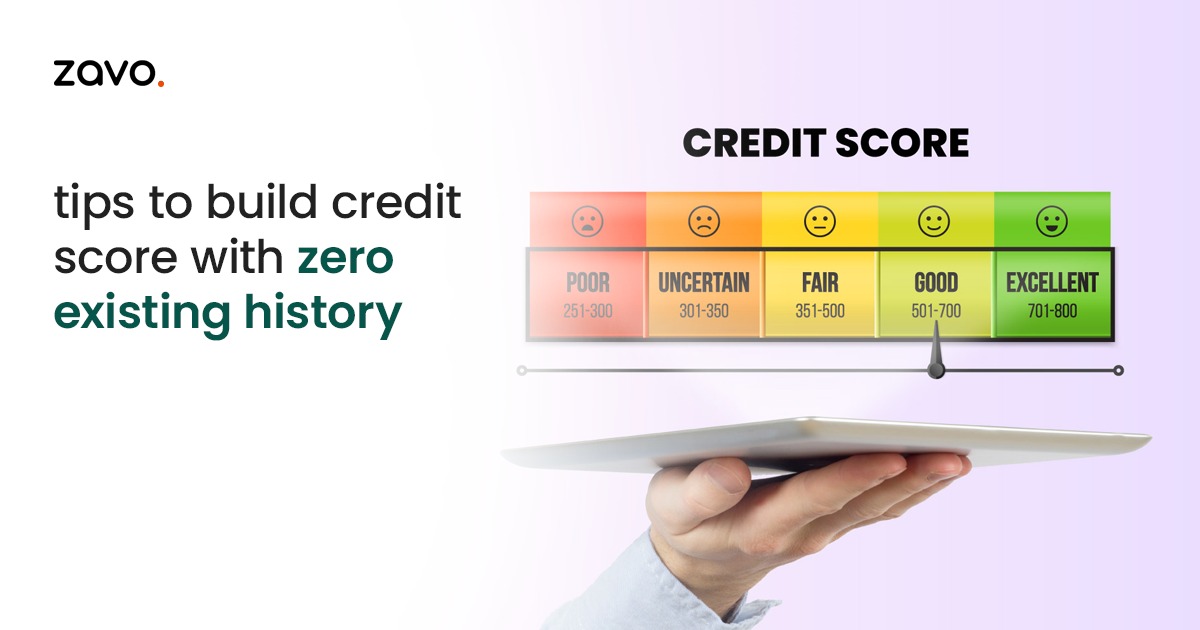
Table of contents8 sections
Starting with no credit history can feel like a financial blank slate, but it doesn’t have to be a challenge. Building a solid credit score from scratch is entirely possible with the right approach.
Understanding Credit Score and How It’s Built
A credit score is a numerical representation of your creditworthiness, and it plays a vital role in shaping your financial future. For someone starting with zero credit history, getting that first score might feel like a daunting task. But the truth is, it’s all about creating a record of responsible credit use.
Credit bureaus calculate your score based on factors such as payment history, credit utilization, the length of your credit history, types of credit accounts, and recent inquiries. While building credit from scratch takes time, you can begin with a few simple steps and gradually improve your score.
For those starting from zero, the key is to demonstrate consistent, responsible borrowing and repayment. This means getting your foot in the door with a credit account, whether it’s a secured credit card, a credit builder loan, or becoming an authorized user on someone else’s account.
Start with a Secured Credit Card
One of the most straightforward ways to start building a credit score is by applying for a secured credit card. These cards require a deposit as collateral, but they work the same way as regular credit cards.
Using a secured card responsibly by paying off the balance on time each month will help establish a payment history, which is the first building block for your score. Even if you can only get a card with a low limit, it’s a great way to start building positive credit.
Remember, the key is not to max out the limit or make late payments. Keep your credit utilization under 30% of your total limit to positively impact your score.
Apply for a Credit Builder Loan

If you don’t have access to a credit card, a credit builder loan could be another option to consider. These loans are designed specifically for individuals with no credit history, and they allow you to borrow a small amount that is held in a secured account.
As you make regular payments, your payment history is reported to the credit bureaus, helping build your score over time. Once you’ve paid off the loan, the funds are released to you. This not only builds your credit but also teaches responsible borrowing and repayment habits.
In India, several banks and financial institutions offer credit builder loans, which are ideal for first-time borrowers who want to establish a credit history. Zavo is another great option, designed specifically to help you build or improve your credit score, even if you're new to credit or recovering from past financial setbacks.
Become an Authorized User
If you're lucky enough to have a family member or friend with a good credit history, becoming an authorized user on their credit card is a smart move. This means you can use their card and benefit from their positive payment history without being responsible for the debt.
Your credit history will show the activity of the account as if it were your own, which can help establish your score. Just make sure the primary cardholder is responsible and pays their bills on time, as their behavior will also reflect on your score.
Keep Your Credit Utilization Low
Once you start building credit, keeping your credit utilization low is crucial. Credit utilization refers to the percentage of your available credit that you're using at any given time. Ideally, it should be below 30%.
For example, if your credit limit is ₹10,000, try to keep your balance under ₹3,000. High credit utilization can negatively impact your score, even if you make your payments on time.
Monitor Your Credit Regularly

It’s important to monitor your credit regularly to see how your efforts are paying off. Several financial apps and services provide free access to your score and updates on your credit report.
Checking your score will allow you to track improvements and spot any errors. If you notice any discrepancies or incorrect information, you can dispute them with the credit bureau to ensure your score is accurate.
Conclusion
Building a credit score with no existing history may seem intimidating, but with the right steps and patience, you can improve your score over time. Starting with small, manageable actions like using a secured card, paying on time, and keeping your credit utilization low can help you build a strong financial foundation.
At Zavo, we provide tools to help you manage your credit effectively. By staying consistent and informed, you can create a brighter financial future and unlock more opportunities for growth.
Frequently Asked Questions (FAQs)
1. How long does it take to build a score from scratch?
Building a score from scratch typically takes at least 3-6 months of consistent, on-time payments. The key is to show responsible credit behavior over time.
2. Can I build credit without a credit card?
Yes, you can build credit with alternatives like a credit builder loan or by becoming an authorized user on someone else's credit card.
3. How can I improve my score fast?
To improve your score quickly, focus on making on-time payments, keeping your credit utilization low, and ensuring that your credit report is accurate.
4. Will using a secured credit card help my score?
Yes, using a secured credit card responsibly is one of the best ways to start building your score. Just ensure you make timely payments and keep your balance low.
5. How does credit utilization affect my score?
Credit utilization impacts your score significantly. Keeping it below 30% of your total available credit shows that you’re managing credit responsibly, which positively impacts your score.