
4 August 2025 · Aditi Sharma
How to Improve Your Credit Score in 30 Days
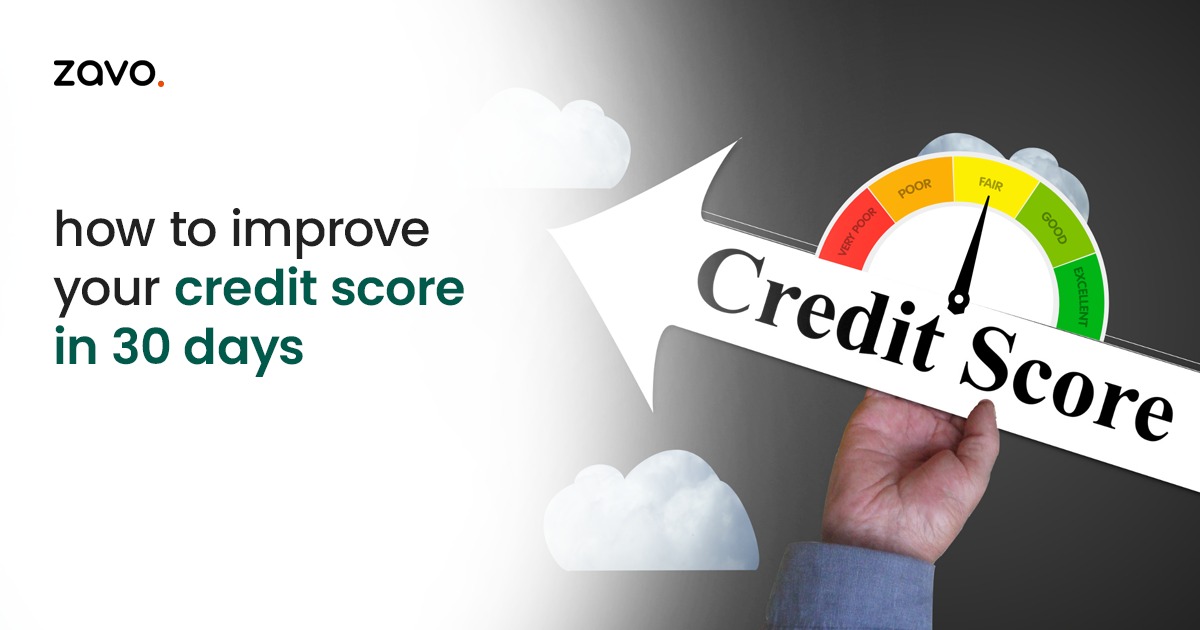
Table of contents7 sections
Want to boost your score fast? It may seem overwhelming, but with the right steps, you can significantly improve it in just 30 days. Whether you're preparing for a loan, a credit card, or simply looking to improve your financial situation, this blog will show you how to take actionable steps that can elevate your score in no time.
A credit score plays a vital role in your financial journey. It can influence everything from loan approvals to the interest rates you’re offered. With the right strategy, you can see noticeable improvements in your score within just 30 days. Let’s break it down and get started.
Understanding Credit Score Basics

This score is more than just a number – it impacts how lenders view your creditworthiness. This three-digit number is based on several factors that collectively determine how likely you are to repay borrowed money. A good credit score can give you access to better loan offers, credit cards with lower interest rates, and even better job opportunities in some cases.
Your score typically ranges from 300 to 850, with higher scores indicating better credit health. Lenders and financial institutions usually prefer a score of 700 or above, considering it a sign of responsible financial behavior. However, if you're starting at a lower score, don’t worry, improvements are possible, even in a short time.
What Affects Your Score?

This score is calculated using five key components:
1. Payment History (35%) – This includes all your on-time payments for credit cards, loans, and other forms of credit. Delayed or missed payments can significantly affect your score.
2. Credit Utilization (30%) – This is the ratio of your credit card balances to your total available credit. High utilization (over 30%) can negatively impact your score.
3. Length of Credit History (15%) – A longer credit history can improve your score, as it provides more data to show how you manage your credit.
4. Types of Credit (10%) – Having a mix of credit accounts (credit cards, auto loans, mortgage) can be favorable.
5. New Credit (10%) – Opening too many new accounts in a short period can lower your score temporarily due to hard inquiries.
By focusing on these areas, you can significantly improve your score in a short period.
Actionable Steps to Improve Your Score
Improving your score in 30 days is not only achievable but also realistic. Here’s how you can start:
1. Pay Your Bills on Time
One of the most impactful things you can do to improve your score is to pay your bills on time. Payment history accounts for 35% of your score, so even one missed payment can hurt. Late payments can stay on your credit report for up to seven years, so it’s crucial to stay on top of your due dates.
To help with this, consider setting up automatic payments or reminders for upcoming bills. If you’re prone to forgetting, automating your payments can save you from making late payments and boost your score over time.
2. Reduce Your Credit Utilization Rate
Your credit utilization ratio is the second most important factor in determining your score. The lower the utilization, the better. Ideally, you should keep this ratio below 30%.
To lower your credit utilization, consider paying down your balances or asking for a credit limit increase. However, avoid increasing your spending just because you have a higher limit.
3. Dispute Any Errors on Your Credit Report
Sometimes, your score can be negatively impacted by errors on your credit report. This could include things like incorrect late payments or inaccurate account details. By disputing these errors, you can quickly improve your score.
You’re entitled to a free credit report from each of the three major credit bureaus (Equifax, Experian, and TransUnion) once a year. Review your report carefully and dispute any inaccuracies. This process can be completed online with most bureaus, and resolving errors could give your score a noticeable boost.
4. Avoid Opening New Credit Accounts
While it may be tempting to open a new credit card to increase your available credit or take advantage of a promotional offer, opening too many accounts in a short time can lower your score. Each application results in a hard inquiry, which can temporarily reduce your score.
If you’ve been considering opening a new credit card, it’s better to wait until you’ve made improvements to your score. In the meantime, focus on managing the credit you already have.
5. Keep Old Accounts Open
The length of your credit history accounts for 15% of your score. Closing old accounts can shorten your credit history, potentially lowering your score. Even if you're not using a credit card anymore, consider keeping the account open, especially if it has a long history.
If you’re worried about annual fees, contact the card issuer to see if they can waive them. Keeping the account open with a zero balance is a better option than closing it and potentially hurting your score.
The Importance of Your Credit Accounts
Your credit accounts play a significant role in determining your score. It’s beneficial to have a mix of credit types, revolving accounts like credit cards and installment loans such as personal loans or auto loans. A diverse credit portfolio shows that you can handle different types of credit responsibly.
However, don’t open too many new accounts in a short period. Each application can trigger a hard inquiry, which may drop your score temporarily. Instead, focus on keeping your existing accounts healthy.
Debunking Common Credit Score Myths
There are several myths surrounding scores that can mislead people into making decisions that hurt their scores. Here are a few common ones:
1. Carrying a Balance Helps Your Score: Many believe that carrying a balance on a credit card will improve their score. In reality, this could actually hurt your credit. The best strategy is to pay off your balance in full each month to avoid paying interest and maintaining a low credit utilization ratio.
2. Checking Your Own Credit Will Lower Your Score: Checking your own credit report is considered a "soft inquiry" and has no impact on your score. It’s a good idea to check your credit regularly to stay on top of your financial health.
3. Closing Unused Accounts Improves Your Score: While it’s true that closing an account removes that available credit from your overall credit limit, it also reduces your credit history and can increase your credit utilization. It’s better to keep those accounts open, especially if they have no annual fees.
Conclusion
We hope this blog has provided you with valuable insights on how to improve your credit score in just 30 days. By focusing on simple strategies like paying bills on time, reducing credit utilization, and disputing errors on your report, you can make significant progress in boosting your score.
At Zavo, we make sure the credit building process feels less like a maze and more like a clear, guided path. With the right habits and the right tools, even your first repayment can unlock your future financial confidence.
Frequently Asked Questions (FAQs)
1. Can I improve my score in 30 days?
Yes, with the right actions, you can make noticeable improvements in a short time. Start with paying bills on time, reducing debt, and disputing any errors on your report.
2. What’s the fastest way to raise my score?
The quickest way is by paying down high credit card balances and disputing errors on your credit report. This can improve your score within a month.
3. Does closing a credit card improve my score?
No, closing a credit card can hurt your score by increasing your credit utilization ratio. It’s better to keep the card open, especially if it has no annual fee.
4. How often should I check my credit report?
You should check your credit report at least once a year for any inaccuracies. However, if you're working on improving your score, you might want to check it more frequently to track your progress.
5. What’s the minimum score needed for a loan?
This depends on the lender, but typically, a score of 650-700 is considered good for most types of loans.
6. Can a score be improved without taking out new credit?
Absolutely! You can improve your score by making timely payments, reducing existing debt, and correcting any errors on your credit report.