Are you feeling the pressure of managing your repayments and wondering how to make financial planning easier in 2025? It’s time to take charge of your finances with an effective repayment schedule that works for you.
As we move into 2025, effective financial planning becomes a top priority for many people. For those juggling loans, credit card bills, or other debts, setting up a solid repayment schedule is essential to regain control of your finances. An effective schedule not only helps you stay organized but also minimizes stress, ensures timely payments, and allows for long-term financial success.
In this blog, we’ll explore expert tips on how to craft a repayment schedule that aligns with your financial goals, how to stay on track, and how to avoid common mistakes that may hinder your progress. By the end of this article, you’ll have a clear path to better financial planning and reduced debt in 2025.
Why a Repayment Schedule Matters
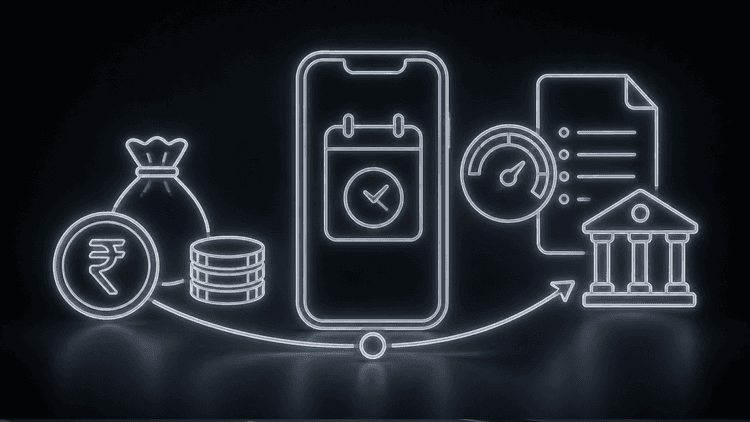
A repayment schedule is essentially a plan that outlines when and how you will pay back your debts. Whether it’s a personal loan, credit card debt, or mortgage, having a clear repayment schedule ensures that your payments are organized, timely, and within your financial means. Without a plan in place, debt can quickly spiral out of control, affecting your credit score, increasing your stress, and making it harder to reach your financial goals.
One of the main advantages of a well-structured repayment schedule is that it helps you prioritize your debts. By organizing your payments based on due dates and interest rates, you can focus on high-interest debt first, saving money on interest in the long run. Additionally, a repayment schedule provides a sense of control and financial stability, which helps you stay motivated to achieve your financial objectives.
The right repayment schedule can also be the key to improving your credit score. Timely payments demonstrate your reliability to creditors, which could open doors to better credit terms in the future. Properly managing your debt ensures that you avoid late fees, penalties, and missed payments, all of which can harm your creditworthiness.

How to Create a Practical Repayment Schedule for 2025
Creating a repayment schedule involves more than just writing down due dates. It requires careful planning, realistic budgeting, and monitoring your progress regularly. The first step is to list all your debts. This includes credit card balances, student loans, personal loans, and any other outstanding debts.
Next, calculate the interest rate and minimum payment for each debt. You’ll want to prioritize high-interest debts to reduce the amount you pay over time. Once you've organized your debts, set a monthly budget that allocates enough funds for debt repayment while ensuring you can cover your living expenses.
Don’t forget to factor in an emergency savings fund. You don’t want to get caught in a situation where you need to borrow more money because of unexpected expenses. A small emergency fund can keep you on track with your repayment schedule and protect you from falling back into debt.
For those with multiple debts, consider using the debt avalanche or debt snowball methods. The avalanche method focuses on paying off high-interest debts first, while the snowball method focuses on paying off small balances first for a sense of accomplishment. Choose the method that best fits your financial situation and helps you stay motivated.
Stick to Your Repayment Schedule and Stay Disciplined
Creating a repayment schedule is just the first step: sticking to it is where the real challenge lies. Life can throw curveballs, and it’s easy to let finances slide when unexpected expenses arise. However, following through with your schedule requires discipline and commitment.
One way to stay on track is to automate your payments. Set up automatic transfers for the minimum payment amounts, ensuring they are made on time. For those who want to pay off debt faster, you can set up additional automatic payments to reduce the principal more quickly.
Another key aspect of sticking to your repayment schedule is to regularly review your progress. Track your payments to see how much you’ve paid off and what’s left. Seeing the balance shrink can be a huge motivator. If your financial situation changes, don’t be afraid to adjust your repayment schedule accordingly. A flexible approach helps you stay on track, even when life throws unexpected financial challenges your way.
Also, be sure to cut back on unnecessary spending. Re-evaluate your lifestyle and look for areas where you can reduce expenses, such as dining out, subscriptions, or impulse purchases. Redirecting this money toward your debts can help you stick to your repayment schedule and pay down debt faster.
Common Mistakes to Avoid When Following Your Repayment Schedule
While setting up a repayment schedule is crucial, many people make mistakes that prevent them from sticking to their plan or achieving their financial goals. One common mistake is failing to track progress. Without monitoring your debt reduction, it’s easy to lose sight of the bigger picture.
Another mistake is only making the minimum payments. Minimum payments often only cover interest, meaning your balance remains the same or even increases. Paying more than the minimum amount is essential for reducing your debt more quickly and saving money on interest.
Ignoring your credit score is another common pitfall. Your credit score plays a significant role in your ability to borrow money at favorable rates. Keeping track of your credit score while making timely debt payments is essential for your long-term financial health.
Lastly, not having an emergency savings fund can cause major setbacks. Even with a solid repayment schedule, unexpected expenses like car repairs or medical bills can throw you off track. An emergency fund acts as a buffer, allowing you to manage these costs without relying on credit cards or loans.
Why Adjusting Your Repayment Schedule Can Be Beneficial
Life is full of surprises, and your repayment schedule should be flexible enough to adapt to those changes. Whether you get a new job, face medical issues, or experience a major life event, adjusting your repayment plan can help you stay in control of your finances.
If your income increases, consider using the extra money to make larger payments toward your debt. This will reduce your principal more quickly and help you become debt-free sooner. On the other hand, if your financial situation worsens, it’s important to reach out to your creditors and discuss alternate arrangements. Many creditors are willing to work with you if you’re experiencing financial hardship, such as offering a temporary lower interest rate or an extended repayment term.
Adjusting your repayment schedule based on your financial situation ensures that you’re always in control. It’s important to stay flexible, but also stay disciplined. This balance will help you achieve your debt relief goals and work toward a healthier financial future.
Conclusion
We hope this blog has helped you understand the importance of an effective repayment schedule and how you can manage your debt more efficiently in 2025. Managing a repayment schedule isn’t always easy, but with the right strategies in place, you can take control of your finances and achieve your financial goals.
At Zavo, we help you stay financially secure by offering expert tools and tips to manage your loan repayments easily and efficiently.
Frequently Asked Questions (FAQs)
1. How do I create a debt repayment plan?
To create a debt repayment plan, list all your debts, including balances, interest rates, and minimum payments. Prioritize high-interest debt and create a budget that allows for regular payments. Use the debt snowball or avalanche method to pay off debt faster.
2. Can I change my repayment schedule if my financial situation changes?
Yes, you can adjust your repayment schedule if your financial situation changes. If you earn more or face financial difficulties, contact your creditors to discuss payment options and adjust your plan accordingly.
3. How can I stay motivated while following my repayment schedule?
Stay motivated by tracking your progress, celebrating milestones, and reviewing your goals regularly. Setting small, achievable targets and seeing the balance decrease will keep you motivated to stay on track.
4. How long will it take to pay off my debt with a repayment schedule?
The length of time it takes to pay off your debt depends on the amount owed, the interest rate, and your repayment amount. Stick to your plan and make consistent payments to pay off your debt faster.
5. Should I focus on paying off high-interest debt first?
Yes, paying off high-interest debt first can help you save money over time. By prioritizing these debts, you reduce the amount of interest you pay, allowing you to pay down your principal faster.
6. Is it possible to build an emergency fund while following a repayment schedule?
Yes, it’s possible to build an emergency fund while repaying debt. Start by setting aside a small portion of your income each month for emergencies, and gradually increase the amount as you pay down your debt.
7. What should I do if I can’t make my repayment schedule payments?
If you can’t make your payments, contact your creditors to discuss temporary solutions. They may offer deferment or an extended repayment term. It’s important to communicate and stay proactive in managing your debt.