
17 January 2025 · Aditi sharma
The Pros and Cons of Loan Refinancing
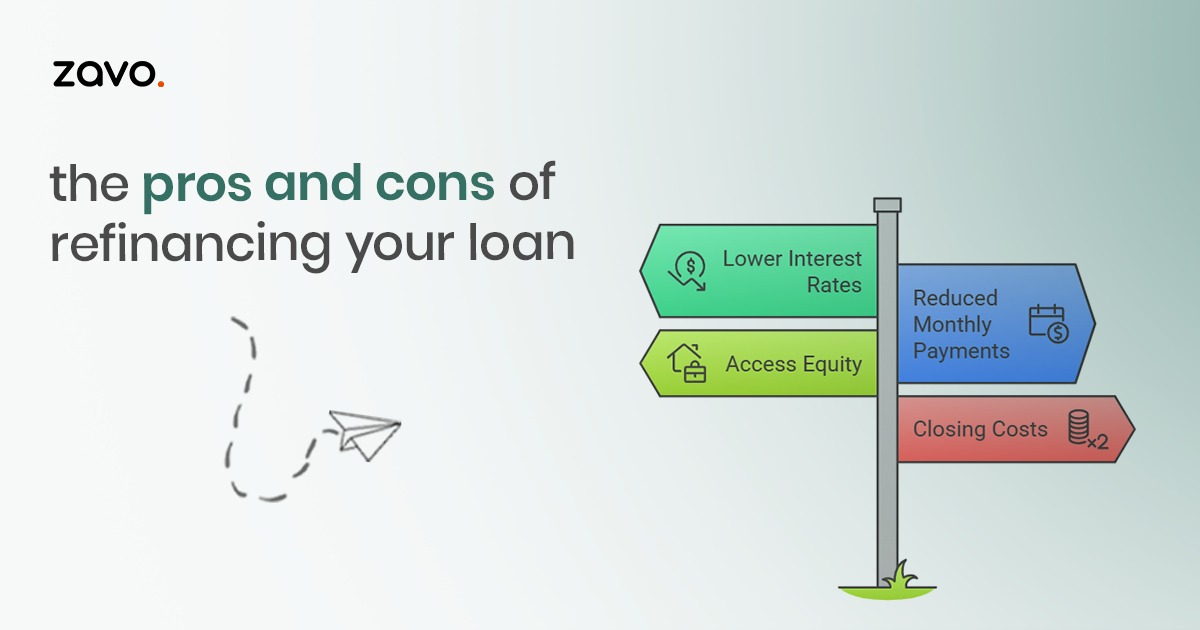
Table of contents6 sections
Is refinancing your loan the right choice for you? Here's what to consider: refinancing your loan can seem like an attractive option when you’re looking to lower monthly payments or save on interest. But is it always the right decision? Let’s explore the pros and cons of refinancing your loan in detail, helping you make an informed and confident choice.
What Is Loan Refinancing?
Refinancing involves replacing your existing loan with a new one that typically offers better terms. This could mean a lower interest rate, a reduced monthly payment, or even a shorter loan term. Many borrowers also refinance to consolidate multiple debts into a single, manageable payment. However, it’s essential to understand that refinancing isn’t just about reducing payments; it’s about aligning your loan terms with your financial goals.For example, Reliance Industries is reportedly pursuing up to $3 billion in loans to refinance debt due in 2025, demonstrating how businesses leverage refinancing to improve their financial strategies.
Pros of Refinancing Your Loan
1. Lower Interest Rates: One of the biggest reasons to refinance is the potential to secure a lower interest rate. This is especially beneficial if your credit score has improved since you first took out the loan.Borrowers who refinanced saw an average interest rate reduction of 1-2%, saving hundreds or even thousands over the loan’s life.
2. Reduced Monthly Payments: Refinancing can lower your monthly payments by extending the loan term. This frees up cash for other expenses or savings goals, offering immediate financial relief. For example, if your original loan had a term of 5 years, refinancing to a 10-year term can significantly reduce monthly costs.
3. Shorter Loan Terms: If you’re in a stronger financial position, refinancing to a shorter loan term helps you pay off the debt faster and saves on interest. While this increases monthly payments, it reduces the overall cost of the loan.
4. Debt Consolidation: Refinancing can help you combine multiple high-interest debts, such as credit card balances or personal loans, into a single loan with a lower interest rate. This simplifies your finances and can save you money in the long run.
5. Switching Loan Types: You may switch from a variable-rate loan to a fixed-rate loan for stability, or vice versa to take advantage of lower initial rates.
Cons of Refinancing Your Loan
1. Closing Costs and Fees: Refinancing is not free. You’ll likely encounter origination fees, appraisal fees, and closing costs, which can range from 2% to 6% of the loan amount. These upfront costs can negate the benefits of refinancing if you’re not careful.
2. Extended Loan Terms: Lowering your monthly payments often involves extending the loan term. While this provides short-term relief, it increases the total interest paid over the life of the loan. For instance, a ₹200 monthly reduction could lead to paying thousands more in the long run.
3. Prepayment Penalties: Some loans include penalties for paying off the original loan early. These penalties can reduce or even eliminate the savings from refinancing. Always check your loan agreement for such clauses before proceeding.
4. Impact on Credit Score: Applying for a new loan involves a hard inquiry on your credit report, which may temporarily lower your credit score. Additionally, closing your original loan could affect your credit history length, a key factor in credit scoring.
5. Risk of Higher Rates: If you switch from a fixed-rate loan to a variable-rate loan, you may benefit from initially lower rates. However, variable rates can increase over time, leading to higher monthly payments and financial uncertainty.
When Should You Consider Loan Refinancing?
Refinancing isn’t a one-size-fits-all solution. Here are situations when it’s worth considering:
1. Falling Interest Rates: If market interest rates have dropped significantly since you first secured your loan, refinancing can result in substantial savings. For example, if you initially locked in a 7% rate but rates have since fallen to 5%, refinancing allows you to lower your rate, reduce monthly payments, and save thousands over the loan’s term. Regularly monitor rate trends to time your refinance effectively.
2. Improved Credit Score: A better credit score can unlock lower rates and more favorable terms. For instance, if your credit score has risen from 650 to 750 since taking out your original loan, lenders may offer you a much lower interest rate. This improvement can dramatically reduce your loan costs and make refinancing worthwhile.
3. High-Interest Debt: Refinancing is an excellent strategy for consolidating high-interest debts like credit cards or personal loans. By rolling these into a single loan with a lower interest rate, you simplify your payments and reduce the amount of interest you’ll pay over time. For example, replacing multiple debts with rates of 20% or more with a loan at 8% can save you significant money.
4. Financial Stability: If your financial situation has improved and you can afford higher monthly payments, refinancing to a shorter loan term can help you save on interest and pay off your debt faster. For instance, switching from a 30-year to a 15-year mortgage might increase monthly payments but dramatically reduce total interest paid, allowing you to own your home outright sooner.
Using a refinancing calculator can help you analyze potential savings and decide if refinancing is a good move.
How to Prepare for Refinancing
1. Check Your Credit Score: Review your credit score and ensure it’s accurate. A higher score will help you secure better rates.
2. Shop Around: Compare offers from multiple lenders, including banks, credit unions, and online platforms, to find the best deal.
3. Understand the Costs: Calculate the total cost of refinancing, including fees and closing costs, to ensure it’s worth it.
4. Gather Documentation: Be prepared with income verification, tax returns, and other financial documents to streamline the process.
5. Calculate Your Break-Even Point: Determine how long it will take for the savings to cover the refinancing costs. If the break-even point is too far away, refinancing may not be the best option.
Conclusion: Is Refinancing Right for You?
Refinancing your loan has the potential to save you money, reduce your monthly payments, and simplify your financial life. However, it’s not without its drawbacks. Carefully weigh the pros and cons, consider your long-term goals, and crunch the numbers before making a decision. If you’re confident it’s the right move, refinancing can be a powerful tool for financial growth.
Ready to refinance? Apply for a loan now with zavo. zavo offers competitive rates, flexible terms, and personalized tools to help you make the best refinancing decision.
FAQs About Refinancing Loans
1. Is refinancing always worth it?
Refinancing is worth it if the savings from lower interest rates or monthly payments outweigh the costs. Use a refinance calculator to assess your situation.
2. How does refinancing affect my credit score?
Refinancing can temporarily lower your credit score due to a hard inquiry and changes to your credit history. However, these effects are typically short-lived.
3. Can I refinance with bad credit?
It’s possible to refinance with bad credit, but you may face higher interest rates. Improving your credit before refinancing can help you secure better terms.
4. How often can I refinance?
There’s no limit to how often you can refinance, but frequent refinancing may incur additional costs and impact your credit.
5. What are the typical costs of refinancing?
Refinancing costs include origination fees, appraisal fees, and closing costs, typically ranging from 2% to 6% of the loan amount.