
21 May 2026 · Mayank Dabral
Settle Your Personal Loan & Get Debt Relief Fast
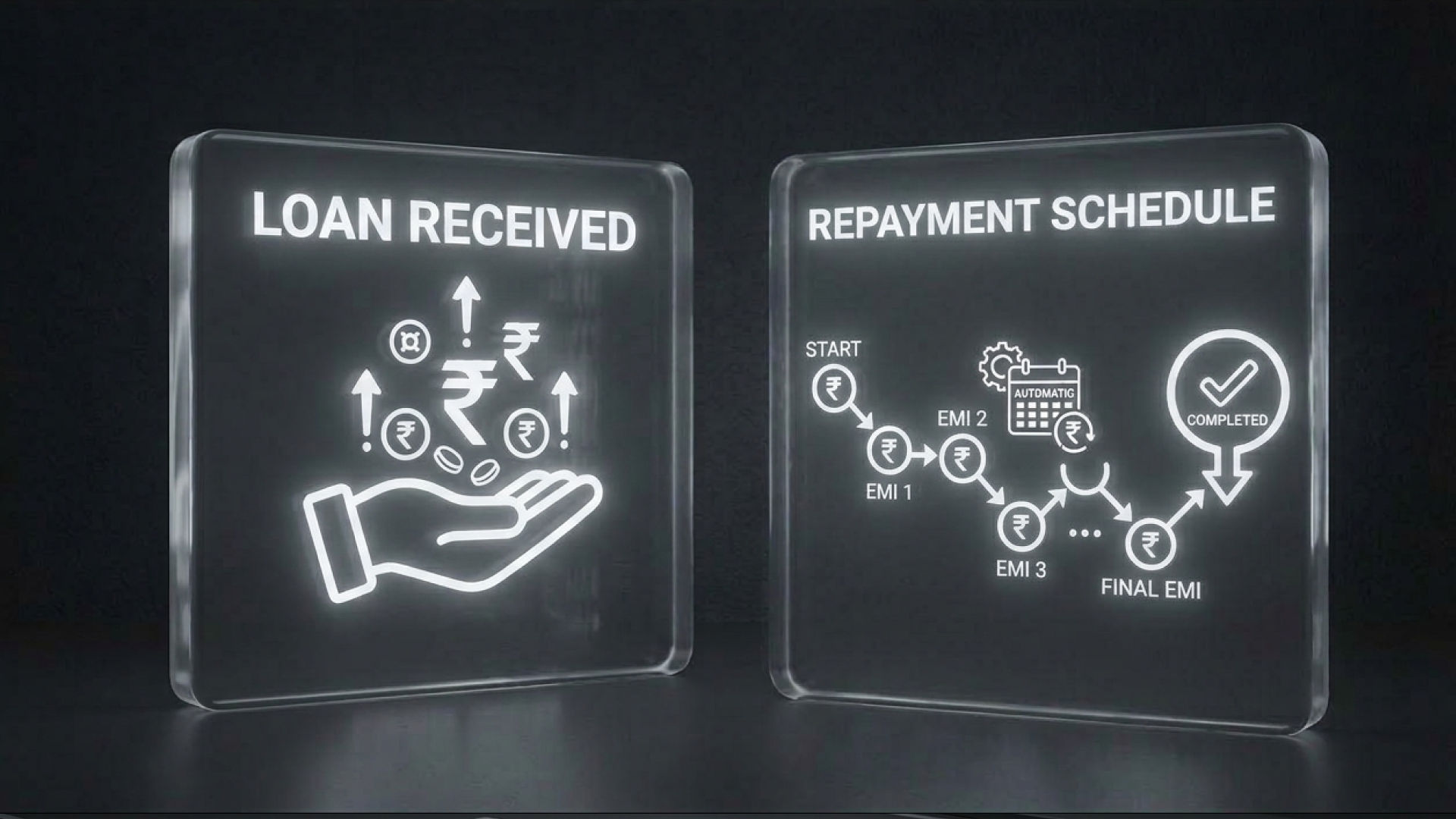
Table of contents8 sections
- What Does “Settle a Personal Loan” Mean?
- When Should You Consider Settling Your Personal Loan?
- How to Settle a Personal Loan: Step by Step
- Why Zavo Is India’s Most Trusted Loan Settlement Expert
- What Happens to Your Credit Score After Loan Settlement?
- Debt Relief vs Loan Relief: What’s the Difference?
- Final Thoughts
- Frequently Asked Questions
Personal loans are one of the most common forms of borrowing in India. They’re quick, unsecured, and easy to get. But when life throws you a curveball- a job loss, a medical crisis, or a sudden drop in income- that easy loan can quickly become a heavy burden.
If you’re struggling to repay and wondering how to settle a personal loan, you’ve come to the right place. This guide walks you through everything from what settlement actually means, to how debt relief works, to why working with a loan settlement expert like Zavo can make the whole process easier.
Let’s break it all down simply and honestly.
What Does “Settle a Personal Loan” Mean?

When you settle a personal loan, you negotiate with your lender to pay less than the total amount you owe. The bank or NBFC agrees to accept a lump sum, usually lower than the outstanding principal, interest, and penalties, and marks the loan as closed.
It’s not a loan waiver. It’s not charity. It’s a practical business decision that both sides agree to when full repayment isn’t possible.
Think of it this way: if you owe ₹3,00,000 and can’t pay it back in full, your lender would rather get ₹1,80,000 today than chase you for years and get nothing. That’s the logic behind personal loan settlement.
When Should You Consider Settling Your Personal Loan?

Settlement isn’t for everyone. It’s a last resort, but when it’s the right call, it’s the smartest move you can make. Here are the situations where settling makes sense:
- You’ve lost your job or had a significant income reduction
- You’re facing a medical emergency that has drained your savings
- Multiple EMIs are piling up and you can’t keep up with all of them
- Interest and penalties have made the debt almost unmanageable
- You’ve missed 3 or more EMIs and the account is in default
- Collection calls are constant and causing mental stress
If any of these sound familiar, it may be time to explore your debt relief options.
How to Settle a Personal Loan: Step by Step
Here’s exactly how the personal loan settlement process works in India:
Step 1: Assess Your Total Outstanding Debt
Before you approach your lender, know exactly how much you owe: principal, interest, and any penalties. Check your loan statement or log in to your lender’s app to get the current outstanding figure.
Step 2: Contact Your Lender or a Loan Settlement Expert
You can approach your bank directly or work with a loan settlement expert who will negotiate on your behalf. Going directly is possible, but tricky lenders are trained negotiators. An expert gets better deals because they know the system inside out.
Step 3: Make a Settlement Offer
Propose a realistic lump sum amount you can genuinely pay. The lender will review and counter. Be patient; this back-and-forth is normal. Settlements typically land at 40–60% of the total outstanding.
Step 4: Get the Agreement in Writing
Never pay a single rupee before getting a written settlement letter from the lender. This document should mention the loan account number, the agreed settlement amount, and confirmation that the loan will be closed upon payment.
Step 5: Pay and Collect Your NOC
Make the payment and collect your No Objection Certificate (NOC). Keep this document safe it’s your proof that the loan has been officially settled.
Why Zavo Is India’s Most Trusted Loan Settlement Expert
Let’s be honest, negotiating with a bank is not easy. They have legal teams, trained agents, and years of experience dealing with defaulters. Going in alone puts you at a disadvantage.
That’s where Zavo comes in.
Zavo is India’s leading loan settlement platform and the most trusted loan settlement expert for millions of Indians dealing with personal loan debt, credit card dues, and EMI stress. Here’s what makes Zavo stand out:
- 97% Success Rate One of the highest in the industry.
- 10 Lakh+ Verified Users Millions of Indians have already trusted Zavo to settle their loans.
- No Middlemen Direct negotiations with your lender, fully transparent.
- Immediate Loan Relief Once your process starts, collection calls naturally begin to ease.
- Settle for Less Zavo negotiates to get you the lowest possible settlement amount.
- Cashback on Successful Settlement: A bonus that few platforms offer.
- Bounce Back Faster: Zavo also guides you on repairing your CIBIL score post-settlement.
- Rated 4.3/5 Trusted by 3 million+ Indians for all things EMI and debt.
Whether you’re looking for debt relief on a personal loan, credit card, or business loan, Zavo has the expertise, the network, and the track record to help you come out the other side.
Start your settlement journey today:
What Happens to Your Credit Score After Loan Settlement?
This is the question everyone asks, and it deserves an honest answer.
When you settle a personal loan, your credit report will show the account status as “Settled” instead of “Closed.” This signals to future lenders that you paid less than the full amount. Your CIBIL score can drop by 75–100 points, and this entry stays on your report for up to 7 years.
But here’s the perspective you need:
- A “Settled” status is far better than “Written Off” or “Default.”
- Continued non-payment causes far more long-term damage.
- You can actively rebuild your CIBIL score after settlement. Zavo helps you with this too.
Think of settlement as hitting the reset button: there's a short-term dip, but a long-term path to recovery.
Debt Relief vs Loan Relief: What’s the Difference?
These two terms are often used interchangeably, but there’s a subtle difference worth knowing:
Debt Relief is a broader term covering any strategy that reduces what you owe: settlement, restructuring, moratoriums, or even bankruptcy.
Loan Relief typically refers to temporary measures your lender offers, like EMI holidays, interest waivers during emergencies, or restructured repayment plans.
If you’re temporarily stuck but expect income to recover soon, loan relief (restructuring) is a better option. If repayment is genuinely impossible, debt relief through settlement is the right path.
Final Thoughts
Settling a personal loan is not giving up; it’s making a smart, informed decision when life doesn’t go as planned. The key is to act early, stay informed, and work with the right loan settlement expert.
Zavo has already helped over 10 lakh Indians find genuine debt relief without the stress, without the middlemen, and without upfront fees. Whether you need to settle a personal loan, a credit card due, or any other debt, Zavo’s team is ready to guide you every step of the way.
Don’t let debt define your future. Take the first step today at Zavo Settle and start your journey to becoming debt-free.
Frequently Asked Questions
Q1. Can I settle a personal loan even if I haven’t missed any EMIs yet?
Technically yes, but it’s very rare. Banks usually entertain settlement requests only after an account has been in default for 90+ days. If you haven’t missed payments yet but foresee trouble, first explore options like EMI restructuring, a moratorium, or loan relief schemes from your lender before going down the settlement route.
Q2. What is a loan settlement expert and why do I need one?
A loan settlement expert is a professional or platform that negotiates with lenders on your behalf to get the best possible settlement amount. They understand lender policies, legal frameworks, and negotiation tactics that most borrowers don’t. Zavo is one such expert with a 97% success rate and zero fees until settlement is done; they’re the safest and smartest choice for personal loan settlement in India.
Q3. How long does the personal loan settlement process take?
The timeline varies depending on the lender and your specific situation. In general, the process takes anywhere from 30 days to 6 months. Working with a loan settlement expert like Zavo significantly speeds things up because they have established relationships with lenders and know exactly how to move the process forward.
Q4. Is debt relief through loan settlement taxable in India?
This is a commonly overlooked point. The amount that is waived by the lender (the difference between what you owed and what you paid) can technically be treated as income under Indian tax laws. It is advisable to consult a CA or tax advisor after your settlement to understand if any tax liability applies to your specific case.
Q5. How is Zavo different from other loan settlement platforms?
Most debt relief platforms either charge heavy upfront fees or act as middlemen with no real lender relationships. Zavo is different in three key ways: zero fees on successful settlement, direct lender negotiations with no middlemen, and a 97% success rate backed by 10 lakh+ verified users. Zavo also helps you rebuild your CIBIL score after settlement, something most platforms don’t offer.