
14 January 2025 · Aditi sharma
New RBI norms make it tough to get multiple personal loans
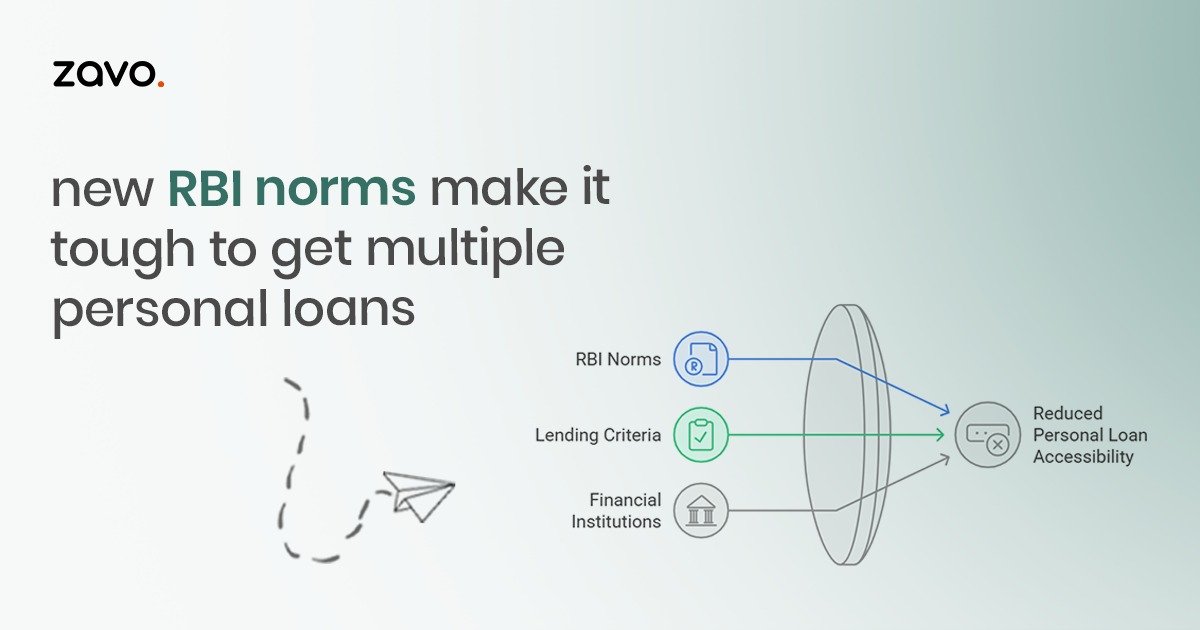
Table of contents5 sections
The Reserve Bank of India (RBI) has implemented updated regulations to curb the rising trend of personal loans and ensure responsible borrowing and lending practices. These changes are significant for borrowers who rely on multiple personal loans for financial flexibility. In this guide, we’ll delve into the updated RBI norms, their impact on borrowers and lenders, and strategies to navigate this evolving financial landscape effectively.
Key Highlights of the New RBI Norms
The RBI’s new regulations are designed to counter rising default rates and strengthen the stability of financial institutions. The major changes introduced are outlined below:
1. Stricter Eligibility Criteria: Borrowers must now meet higher credit score requirements and provide verified proof of steady income. This updated criteria ensures that only individuals with a demonstrable track record of financial responsibility can qualify for loans, reducing risk for lenders.
2. Loan-to-Income (LTI) Ratio Caps: The RBI has introduced a cap on the percentage of an individual’s income that can be allocated to loan repayments. By limiting the LTI ratio, the new rule helps prevent borrowers from taking on excessive debt and ensures they retain adequate income for essential living expenses.
3. Enhanced Credit Bureau Reporting: Lending institutions are now mandated to report personal loan details with greater depth and frequency to credit bureaus. This comprehensive reporting improves transparency, enabling better tracking of each borrower’s credit history and quicker identification of emerging over-borrowing patterns.
4. Limits on the Number of Loans: Individuals seeking multiple personal loans will be subject to more rigorous scrutiny. This measure is intended to discourage the piling up of unsecured credit and minimize the risks associated with borrowers handling multiple simultaneous obligations.
Together, these reforms foster financial discipline, protect borrowers from overextension, and reduce the overall risk of defaults within the financial system.
Impact of the New Norms on Borrowers and Lenders
Challenges for Borrowers : A survey was conducted and it revealed the following insights:
56% of borrowers find it challenging to qualify for personal loans under the new rules.
73% of lenders report a decline in applications for multiple loans.
45% of borrowers are considering alternative financing options, such as gold loans or credit cards.
Implications for Lenders: Lenders now face reduced risk due to stricter screening processes. However, the decline in loan applications could impact revenue from personal loan products.
Strategies to Navigate the Updated Loan Landscape
Adapting to these changes requires careful planning and informed decision-making. Here are actionable tips to help you manage your finances and improve your chances of loan approval:
1. Evaluate Your Financial Health: Start by calculating your debt-to-income (DTI) ratio. This metric shows the proportion of your income allocated to debt repayment and helps determine how much more you can borrow responsibly.
2. Diversify Financing Options: If you’re finding it difficult to qualify for personal loans, consider alternative options such as:
a. Secured Loans: Secured loans offer an alternative for those who can't qualify for traditional loans. By providing collateral like gold or property, borrowers reduce the lender's risk, increasing approval chances even with less-than-perfect credit. This often leads to easier qualification, lower interest rates, and larger loan amounts. Common types include gold loans and loans against property. However, defaulting means risking the loss of the asset, so a solid repayment plan is crucial.Gold loans or loans against property often have less stringent requirements.
b. Credit Cards: Credit cards offer flexible access to funds for short-term needs, providing a convenient line of credit for unexpected expenses or emergencies. Benefits include easy access to funds, the potential to build or improve credit through responsible use, and rewards programs offering cash back, points, or miles. However, credit cards typically have higher interest rates than secured loans, making responsible use and avoiding high balances crucial to prevent debt accumulation.These can be a flexible solution for short-term financial needs.
3. Improve Your Credit Score: A strong credit score is critical for loan approval. You can enhance your score by:
- Paying off existing debts.
- Avoiding late payments.
- Limiting hard inquiries on your credit report.
4. Consult Financial Advisors: Seeking expert advice can help you identify the most suitable financing options for your needs. Financial advisors can also guide you on maintaining a healthy financial profile.
5. Opt for Loan Consolidation: Managing multiple loans can be challenging. Consolidating your loans into a single repayment plan simplifies management and can reduce overall costs.
Conclusion
The updated RBI norms may make obtaining multiple personal loans more challenging, but they also promote financial stability and discipline. By understanding these changes and adopting prudent financial habits, you can still achieve your financial goals without unnecessary debt. Partner with zavo to stay ahead in this evolving financial landscape. With zavo’s support, you can access the right financial solutions while maintaining a strong credit profile. Start your journey to smarter borrowing today!
Frequently Asked Questions (FAQs)
1. What are the main changes in eligibility criteria for personal loans?
The new guidelines require borrowers to demonstrate a higher credit score, stable income, and a lower DTI ratio. This ensures lenders approve loans for those who can responsibly manage repayments.
2. How do these norms affect borrowers with existing multiple loans?
Existing loans are not directly impacted. However, applying for additional loans will involve stricter scrutiny of your financial standing and repayment capacity.
3. Can I consolidate my existing loans under the new rules?
Yes, loan consolidation is still an option. However, lenders may assess your eligibility based on the updated criteria.
4. Are these norms applicable to all types of loans?
No, these regulations primarily target unsecured personal loans. Secured loans, such as home or vehicle loans, are governed by separate guidelines.
5. What steps can borrowers take to improve their chances of loan approval?
Maintaining a good credit score, reducing existing debts, and ensuring your DTI ratio aligns with the new guidelines are crucial. Additionally, providing accurate and comprehensive financial documentation is essential.