
4 April 2026 · Mayank Dabral
Loan Settlement Tips to Reduce Financial Stress
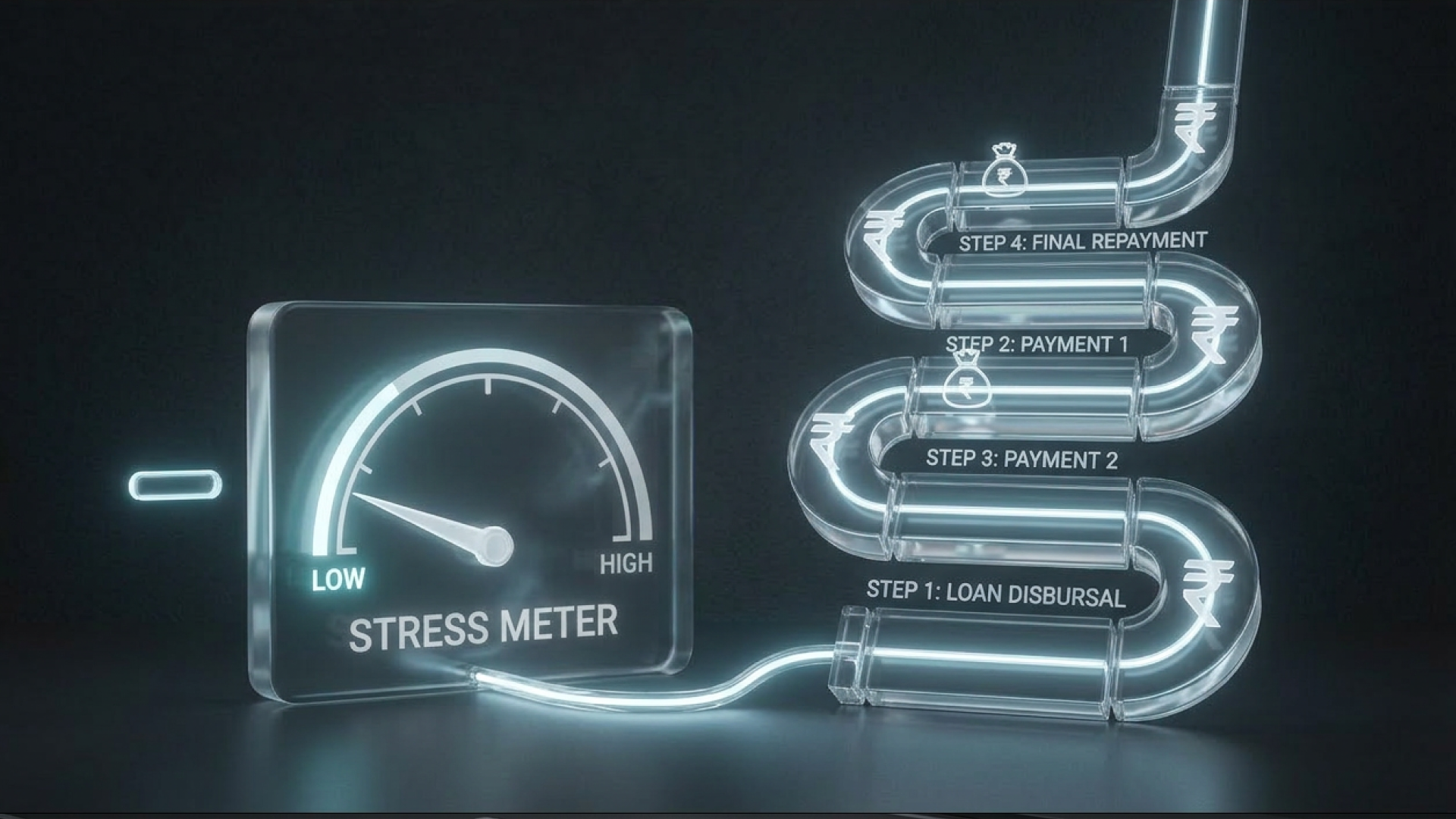
Table of contents13 sections
- What is Loan Settlement?
- Is Loan Settlement Legal? RBI Rules Explained
- When Should You Consider Loan Settlement?
- Benefits of Loan Settlement
- The CIBIL Status Trap: "Settled" vs "Closed
- Loan Settlement Process Explained
- Role of Professional Services Like Zavo
- Loan Settlement vs Debt Consolidation
- Tips to Negotiate a Better Settlement
- Sample One-Time Settlement (OTS) Application Letter
- Common Mistakes to Avoid
- Conclusion
- Frequently Asked Questions
Debt can feel overwhelming, especially when repayments become difficult. That’s where loan settlement comes into the picture. It offers a practical way to manage financial stress without completely losing control.
In this guide, we’ll break down everything you need to know about loan settlement simply so you can make informed decisions without confusion.
What is Loan Settlement?
Simple Definition

Loan settlement is an agreement between a borrower and a lender where the borrower pays a reduced amount instead of the full outstanding loan. Once paid, the lender marks the loan as “settled.”
This usually happens when:
- You are unable to repay the full loan
- You’ve defaulted on payments
- The lender believes partial recovery is better than none
How It Works
Here’s how loan settlement typically works:
- You inform the lender about financial hardship
- Negotiation begins
- A reduced amount is agreed upon
- You pay the lump sum or structured settlement
- Loan is marked as “settled” (not “closed”)
Is Loan Settlement Legal? RBI Rules Explained
Yes, loan settlement is entirely legal in India. It is a formally recognized contract-law process under the **Reserve Bank of India (RBI)** guidelines to help resolve unpaid debts or Non-Performing Assets (NPAs).
- The 90-Day Rule: Lenders typically only consider a compromise settlement proposal once an account has gone unpaid for over 90 days and is classified as an NPA.
- Lender's Discretion: A loan settlement is not a statutory right. Lenders are not legally forced to accept your offer; it is a mutual contractual agreement based on your genuine financial hardships.
When Should You Consider Loan Settlement?
Financial Hardship Scenarios
Loan settlement should only be considered when:
- You’ve lost your job
- Medical emergencies drained savings
- Business losses impacted income
- You’re unable to pay EMIs consistently
Warning Signs You Shouldn’t Ignore
- Constant missed payments
- Increasing penalties and interest
- Recovery calls from lenders
- Risk of legal action
If you’re facing these, a loan settlement might be a practical step.
Benefits of Loan Settlement

Reduced Financial Burden
One of the biggest advantages is that you don’t have to repay the full amount. This provides:
- Immediate relief
- Reduced stress
- Better financial breathing space
Faster Debt Resolution
Instead of dragging a loan for years, settlement helps:
- Close the matter quickly
- Avoid long-term penalties
- Prevent further damage
Risks and Drawbacks
Impact on Credit Score
Loan settlement negatively affects your credit score because:
- It shows you didn’t repay fully
- Future lenders may see you as risky
The CIBIL Status Trap: "Settled" vs "Closed
The biggest risk of loan settlement is how it gets reported to credit bureaus like CIBIL:
Closed Status - You paid back your dues in full. This is a positive indicator and boosts your credit profile.
Settled Status - You paid a lower, negotiated amount. The bank forgave the rest, but will mark your account as "Settled." Your credit score will instantly drop by **75 to 100+ points**, and this negative status will remain on your CIBIL report for **7 years**.
How to Fix It:- You can later pay the waived-off amount (the haircut) back to the bank to successfully upgrade your credit status from "Settled" to "Closed" and repair your score.
Legal and Financial Considerations
- Lenders may initiate recovery actions before settlement
- Not all loans are eligible
- Poor negotiation can lead to unfavorable terms
That’s why expert guidance becomes crucial.
Loan Settlement Process Explained
Step-by-Step Breakdown
- Assessment of Financial Situation
- Contacting the Lender
- Negotiation of Settlement Amount
- Agreement Documentation
- Payment Completion
- Settlement Status Update
Each step requires careful handling to avoid mistakes.
Role of Professional Services Like Zavo
Why Expert Help Matters
Handling loan settlement alone can be stressful and risky. This is where platforms like Zavo come into play.
Zavo helps simplify the process by:
- Negotiating better settlement deals
- Providing structured guidance
- Reducing emotional and financial stress
- Offering transparent support throughout
Instead of dealing with lenders alone, having a trusted platform ensures you’re making the right decisions at the right time.
For more details, you can explore their official page here:
Loan Settlement vs Debt Consolidation
A loan settlement is designed to reduce the total amount you owe by negotiating a reduced lump-sum payment with your lender. Because you are paying less than what was originally borrowed, this option has a highly negative impact on your credit score, making future borrowing highly challenging. A loan settlement is a crisis-response measure, making it the best option for individuals experiencing severe financial distress who have no other realistic way to pay.
In contrast, debt consolidation focuses on combining multiple active loans into a single new loan with a structured, single monthly EMI. Rather than writing off your debt, this method simply helps you organize and manage it better, resulting in a neutral or even positive impact on your credit score over time. In short, if your financial situation is critical and unmanageable, a loan settlement works best; however, if your debt is still manageable but disorganized, debt consolidation is the safer choice.
If your situation is critical, settlement works. If manageable, consolidation is better.
Tips to Negotiate a Better Settlement
- Always start with a lower offer
- Be honest about your financial condition
- Get everything in writing
- Avoid verbal agreements
- Seek professional help when unsure
Sample One-Time Settlement (OTS) Application Letter
Use this copy-and-paste letter format to professionally propose a settlement to your bank’s recovery department:
Date:** [DD/MM/YYYY]
To,
The Branch Manager / Recovery Officer,
[Bank/NBFC Name],
[Branch Address]
Subject: Application for One-Time Settlement (OTS) - Loan Account No: [Your Account Number]
Respected Sir/Madam,
I am writing to formally request a One-Time Settlement (OTS) for my above-mentioned loan account.
Due to unexpected financial hardships [Describe your hardship: e.g., sudden job loss / medical emergency], I am unable to continue paying my regular EMIs. I want to clear my liabilities and am prepared to pay a lump-sum amount of Rs. [Insert Proposed Amount - e.g., 30% to 50% of the principal] to settle and close this loan account permanently.
I request you to kindly review my condition sympathetically. Upon your written confirmation on the bank's official letterhead, I will arrange the proposed funds within 15 to 30 days.
Sincerely,
[Your Full Name]
[Your Contact Number]
Common Mistakes to Avoid
- Ignoring lender communication
- Settling without documentation
- Paying without a written agreement
- Not checking the credit report after the settlement
- Trying to handle everything alone under pressure
Conclusion
Loan settlement is not a perfect solution, but it’s a practical lifeline when finances go off track. It helps reduce burden, resolve debt faster, and regain control.
However, it comes with trade-offs like credit score impact and future borrowing challenges. That’s why making informed decisions is critical.
If you’re feeling stuck or unsure, using a guided platform like Zavo can make the journey smoother, more transparent, and far less stressful.
The key is simple: act early, stay informed, and choose wisely.
Frequently Asked Questions
1. Is loan settlement a good option?
It is not the absolute best option because of its negative CIBIL impact, but it is a highly practical and stress-reducing lifeline if you are facing genuine, long-term financial insolvency.
2. Can I get a loan after a settlement?
Yes, but it will be highly challenging. For the first 2 to 3 years post-settlement, regular banks will likely reject your applications. You may have to rely on secured credit cards (against a Fixed Deposit) or gold loans to rebuild your score first.
3. How much discount can I get in a loan settlement?
For unsecured personal loans and credit cards, settlements generally range between 30% and 60% of the total outstanding dues, depending on your negotiation skills and the severity of your hardship.
4. What is a No Dues Certificate (NDC) and why is it important?
An NDC (or NOC) is an official document issued by the lender stating that the loan has been settled, and you no longer owe them any money. Without this document, the bank or a third-party debt collection agency can legally demand the remaining money years down the road.