
7 October 2025 · Aditi Sharma
How UPI is changing the Future of Personal Finance In India
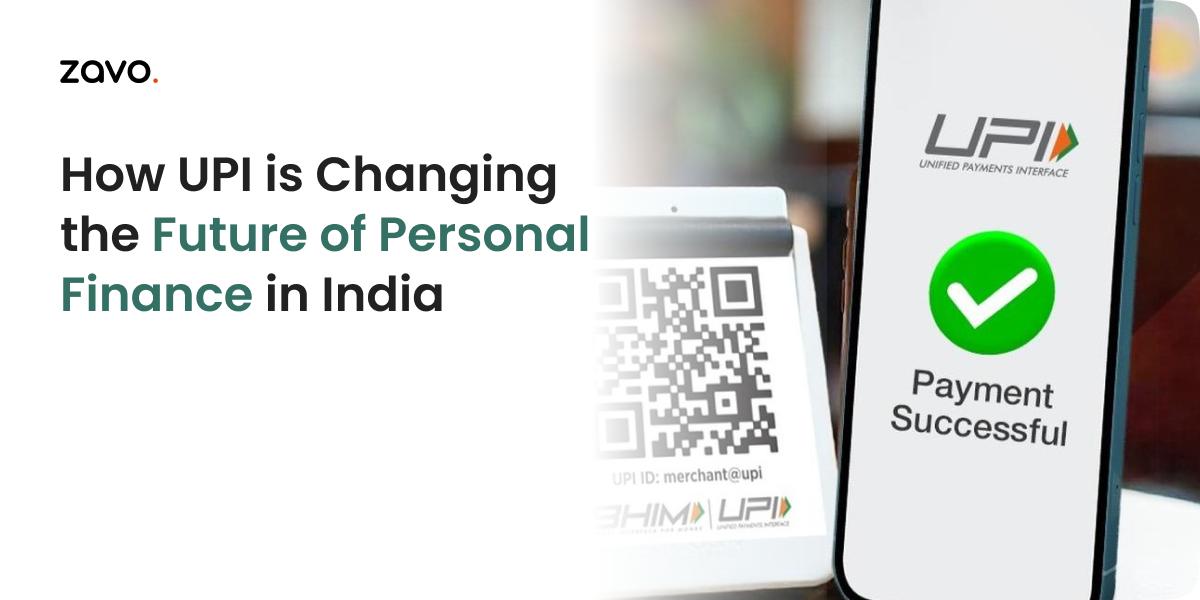
Table of contents2 sections
India is witnessing a financial revolution, and at the heart of it lies UPI. For many young earners, managing money used to mean standing in bank queues or depending on cash. But today, a simple UPI transaction can pay your rent, split a dinner bill, or even settle your EMIs instantly.
Why does this matter? Because the way we handle personal finance is no longer limited to banks or credit cards. With UPI, your phone becomes your wallet, your ledger, and sometimes even your financial advisor.
From chaiwallahs to large retailers, everyone accepts UPI now. That means millions of Indians, especially those earning less than ₹2 lakh a month, are finding financial access easier than ever before. And this shift isn’t just about payments it’s reshaping the entire future of personal finance in India.
Why is it Important in India’s Digital Finance?
UPI also plays a huge role in financial inclusion. Many small shopkeepers, auto drivers, and even street vendors now accept UPI payments. For people who earlier depended only on cash, UPI opened doors to formal banking. It reduces the need for ATMs and cards, while ensuring money is always accessible digitally.
In the broader picture, UPI is the backbone of India’s digital finance revolution. It supports government initiatives like Digital India, boosts transparency, and reduces dependence on cash. It is also paving the way for advanced features like UPI credit, international payments, and linking investments directly with your UPI app.
In short, UPI is not just a payment method it’s a foundation that is shaping the future of digital finance in India, making money management simpler, faster, and more accessible for everyone.
The Big Question: How Can UPI Change My Daily Finances?
Have you ever wondered how something as small as scanning a QR code can impact your entire personal finance journey?
Think about it earlier, managing money meant remembering due dates, carrying cash, or rushing to an ATM. Now, a few taps on UPI settle everything. But is this shift only about convenience, or is it rewriting the rules of money management in India?
And here’s the bigger question: If UPI is so powerful today, how will it shape the way we save, borrow, and spend tomorrow?
1. UPI Has Made Money Truly Instant
Earlier, transferring money meant NEFT timings, bank charges, and delays. For someone managing tight monthly expenses, even a one-day delay could hurt.
UPI changed that by making real-time transfers free and available 24/7. Whether Ravi sends his EMI at midnight or Meena pays her tuition fees on a Sunday, UPI ensures instant settlement.
This single change has redefined personal finance by giving people more control over when and how they move their money.

2. UPI is Driving Financial Inclusion
According to RBI data, UPI crossed 10 billion monthly transactions in 2023. This isn’t just a number it shows how deeply it has penetrated into India’s financial system.
For many small shopkeepers, auto drivers, and homemakers, UPI became their first step into formal banking. No need for a POS machine or debit card, just a smartphone.
When financial access reaches the grassroots, it changes personal finance for millions who were earlier outside the system.
3. UPI is Replacing Cash and Cards
Credit cards once ruled urban personal finance. But UPI payments are catching up fast. Why swipe a card when you can scan a code without worrying about interest or hidden charges?
For beginners earning under ₹2 lakh/month, UPI offers a safer and simpler way to manage personal finance.
4. UPI Helps Manage EMIs and Bills Easily
Missing an EMI or electricity bill used to mean late fees and stress. Ravi, a young professional, once forgot his EMI date and ended up paying ₹500 extra.
With UPI, you can automate payments, set reminders, and track bills in one place. This makes managing EMIs part of your daily routine, instead of a financial headache.
By reducing defaults, UPI makes personal finance smoother for those who already juggle multiple credit responsibilities.
5. UPI + Smart Tools = Better Personal Finance
UPI is the backbone, but tools like Zavo make it smarter. For example, if you’re struggling to juggle multiple EMIs, Zavo can help you restructure or delay payments without hurting your credit score.
When combined with UPI’s ease of transactions, Zavo offers a safety net making sure your personal finance stays stable even when money gets tight.
This partnership of technology and guidance is what’s taking India towards a new era of financial confidence.
6. What the Future of UPI Looks Like
UPI isn’t stopping at payments. The National Payments Corporation of India (NPCI) is already working on UPI-linked credit, UPI for investments, and even international transactions.
This means in the near future, you could invest in mutual funds, get a small loan, or even pay abroad directly through UPI.
When these features go mainstream, personal finance will become more seamless than ever, giving Indians access to tools once limited to high-income groups.
Conclusion
UPI is no longer just a way to “send money.” It has become the backbone of India’s personal finance system empowering millions to take control of their money with ease.
From instant transfers to better EMI management, and from financial inclusion to future-ready features, UPI is rewriting how India saves, spends, and borrows. And with smart tools like zavo supporting users, managing money will only get easier.
The future of personal finance in India is digital, accessible, and built on UPI.
Frequently Asked Questions(FAQs)
Q1. How is UPI better than traditional banking for personal finance?
UPI removes delays, charges, and banking hours. For personal finance, this means you can transfer, pay bills, or even repay EMIs instantly without waiting for banks to open.
Q2. Can UPI help me avoid missing EMIs or bills?
Yes, UPI apps allow you to set reminders, automate payments, and track bills. This makes personal finance more organized, helping you avoid penalties and stress.
Q3. Is UPI safe for beginners managing personal finance?
Absolutely. UPI uses two-factor authentication and RBI-regulated systems. For someone new to personal finance, it’s a secure and simple way to manage money digitally.
Q4. What role will UPI play in the future of personal finance in India?
UPI is expected to go beyond payments into investments, small loans, and global usage. This will expand personal finance opportunities for millions of Indians at every income level.